

 English
 русский
 Español
Content
- 1 How Torque Control Works Inside a 12V Electric Screwdriver
- 2 What Accuracy Can Users Expect from a Portable 12V Electric Screwdriver?
- 3 Why Torque Settings Are Not Always Exact Numbers
- 4 Key Design Features That Improve Torque Consistency
- 5 Portable Screwdriver vs Manual Tools for Delicate Assembly
- 6 How to Improve Fastening Accuracy During Assembly
- 7 The Future of Compact Torque-Controlled Tools
- 8 Precision Depends on More Than the Torque Dial
Precision assembly requires more than simply driving a screw into a surface. Small electronic housings, plastic components, furniture fittings, and lightweight structures can be damaged by excessive tightening force. This is why torque control has become a key feature in modern cordless fastening tools.
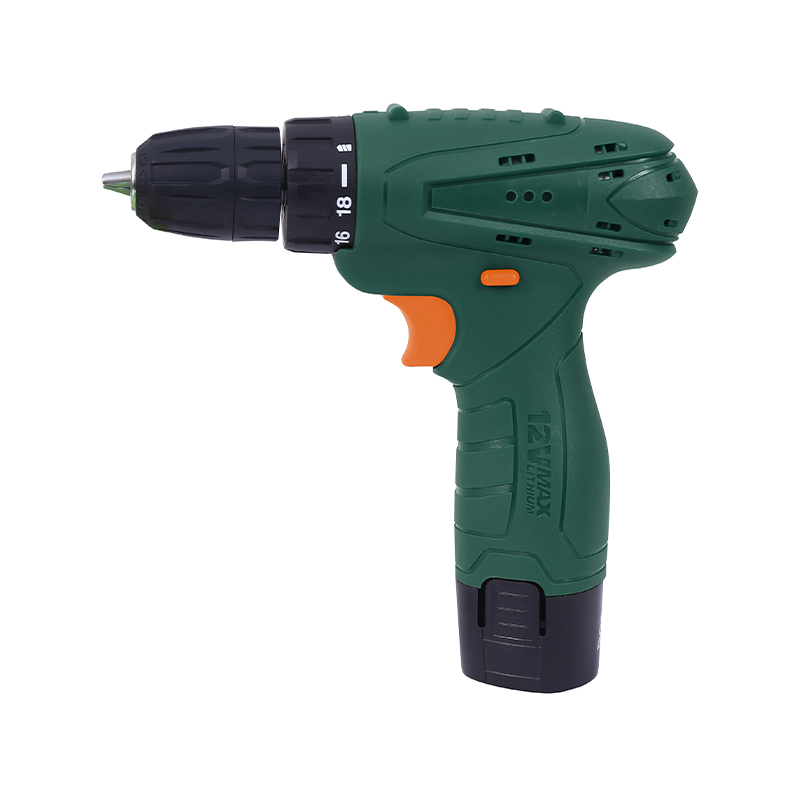
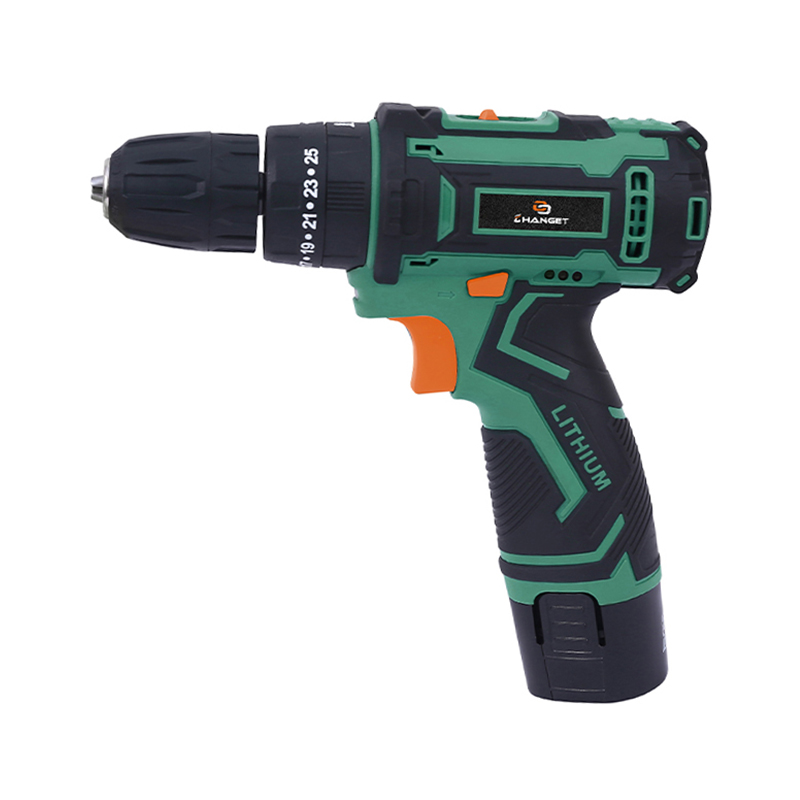
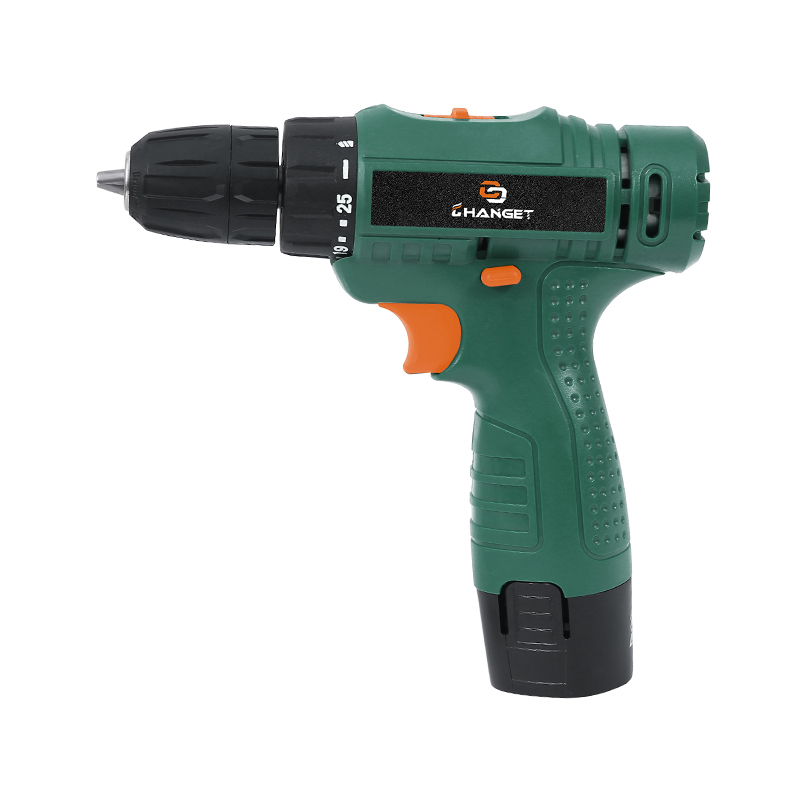
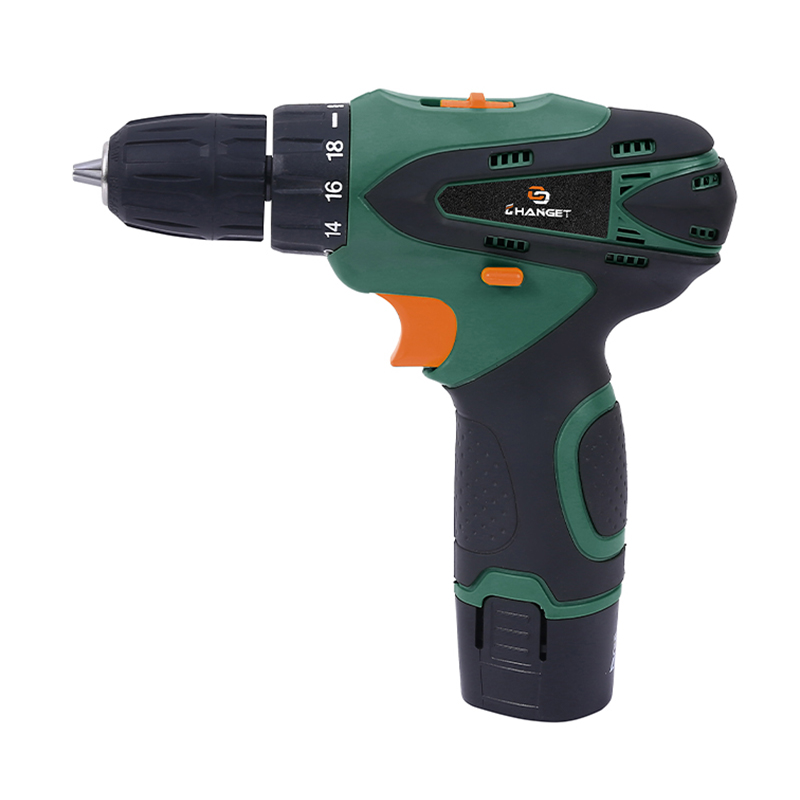
A portable 12v electric screwdriver is often chosen for tasks that require controlled fastening rather than raw power. However, many users still question whether the torque settings on compact screwdrivers provide real accuracy or are only basic adjustment functions.
The actual performance depends on the clutch mechanism, motor control system, battery output stability, screw type, and operator technique. Some compact models offer multiple clutch stages, electronic regulation, and automatic shut-off systems designed to improve repeatability. Precision assembly screwdrivers can achieve narrow torque ranges with controlled shut-off mechanisms, while consumer-oriented tools usually focus on flexibility across household applications.

How Torque Control Works Inside a 12V Electric Screwdriver
Mechanical clutch vs electronic control
Torque control systems generally use two different approaches: mechanical clutches and electronic monitoring.
| Control Method | Working Principle | Typical Application |
| Mechanical clutch | Disconnects power transmission after reaching preset resistance | Home repair, furniture assembly |
| Electronic torque control | Monitors motor current and adjusts output digitally | Precision fastening and repeated assembly |
| Auto shut-off clutch | Stops rotation after reaching torque target | Controlled production assembly |
Mechanical systems remain popular because they are simple and reliable. However, electronic systems can respond faster because they measure motor behavior rather than relying only on physical spring tension.
Some professional cordless torque screwdrivers use automatic shut-off clutches and provide repeatability around ±3% under controlled conditions, demonstrating the potential accuracy available from advanced designs.
What Accuracy Can Users Expect from a Portable 12V Electric Screwdriver?
Household and DIY applications
Most compact 12V screwdrivers are not designed as laboratory calibration tools. Their purpose is to provide consistent fastening force for common tasks such as:
- Cabinet installation: preventing stripped screws and damaged panels
- Furniture assembly: maintaining similar tightening force across multiple joints
- Small appliance repair: reducing the risk of cracked plastic housings
For these applications, a multi-stage clutch system usually provides sufficient control. The goal is not laboratory-level measurement but repeatable fastening behavior.
Precision requirements in delicate components
Small electronics and sensitive assemblies require much lower torque levels. Too much force can damage threads, deform plastic structures, or affect internal components.
| Application | Approximate Torque Range | Control Requirement |
| Electronic devices | Low torque | Very fine adjustment |
| Plastic housings | Low to medium torque | Consistent stopping point |
| Furniture hardware | Medium torque | Balanced control and speed |
| Wood fastening | Medium to higher torque | Clutch stability |
Compact screwdrivers with adjustable torque settings are especially useful because they allow users to match output force with material sensitivity. Too much torque can strip screw heads or damage surfaces, while insufficient torque may leave connections loose.
Why Torque Settings Are Not Always Exact Numbers
Different materials create different resistance
A common misunderstanding is assuming a clutch setting always represents the same actual torque value. The same setting can produce different results depending on:
- Material hardness: soft plastic and hardwood create different resistance levels
- Screw design: thread shape influences required driving force
- Surface condition: friction changes during installation
- Battery condition: voltage stability affects motor output
Tool users often discuss that clutch numbers are relative rather than universal torque measurements because different models may deliver different output at the same marked setting.
Key Design Features That Improve Torque Consistency
1. Brushless motor technology
Brushless motors improve control by reducing friction losses and allowing electronic adjustment of motor behavior. The motor controller can react more quickly to load changes, helping maintain smoother fastening performance.
- Reduced internal friction
- Improved energy conversion
- More stable speed control
2. Multi-stage clutch systems
A larger number of clutch positions allows users to fine-tune fastening force. Basic models may provide around 5–10 stages, while advanced designs may include more adjustment points or digital controls.
3. Stable lithium battery output
Battery performance affects torque delivery. A weak or partially discharged battery may reduce motor response, creating inconsistent results during repeated fastening tasks.
Portable Screwdriver vs Manual Tools for Delicate Assembly
Manual screwdrivers provide direct user feedback, but repeated fastening can cause fatigue and inconsistent pressure. Compact electric models reduce physical effort and improve repeatability across multiple screws.
| Tool Type | Strength | Limitation |
| Manual screwdriver | Direct control and feedback | Slower during repeated tasks |
| 12V electric screwdriver | Balanced speed and torque control | Depends on clutch accuracy |
| Professional torque screwdriver | High repeatability | Higher equipment cost |
How to Improve Fastening Accuracy During Assembly
Match torque settings with the application
Starting with a lower torque setting and increasing gradually helps prevent accidental over-tightening. Users should test on similar materials before completing the final assembly.
- Use lower torque for plastic components
- Increase settings for larger hardware
- Replace worn bits that create slipping
- Maintain stable pressure during operation
The Future of Compact Torque-Controlled Tools
Modern cordless screwdrivers are moving beyond simple mechanical adjustment rings. Digital displays, electronic monitoring, and improved battery management systems are becoming more common in compact tools.
Some newer cordless screwdrivers even provide torque information displays and multiple electronic settings to help users monitor fastening conditions more easily.
Precision Depends on More Than the Torque Dial
The torque control accuracy of a portable 12v electric screwdriver depends on the combination of mechanical design, electronic control, battery quality, and working conditions.
For delicate assembly tasks, a compact 12V screwdriver with adjustable clutch settings can provide reliable control and reduce common fastening problems. While it may not replace specialized industrial torque equipment, it offers a practical balance between portability, precision, and everyday usability.