

 English
 русский
 Español
Content
- 1 1. Identify the Main Customer Groups in Your Market
- 2 2. Build a Product Range with Clear Price Positions
- 3 3. Plan Battery Platforms Before Expanding the Catalogue
- 4 4. Adapt Product Configurations to Regional Requirements
- 5 5. Control Inventory and Purchasing Costs
- 6 6. Evaluate Suppliers Before Confirming Bulk Orders
- 7 7. How Chenge Supports Wholesale Tool Planning
- 8 Build Your Range Around Real Customer Demand
Building a profitable cordless tool range requires more than adding popular products to a catalogue. Distributors must balance customer demand, price positioning, battery compatibility, product specifications, and inventory commitments. A range designed for professional contractors may not suit DIY retailers, while products intended for household use may not satisfy industrial buyers.
At Chenge, we encourage wholesale customers to plan their product assortment around actual market requirements. A structured approach to wholesale cordless tools helps distributors organize product categories, evaluate supplier capabilities, and create a range that supports different customer groups without unnecessary SKU duplication.
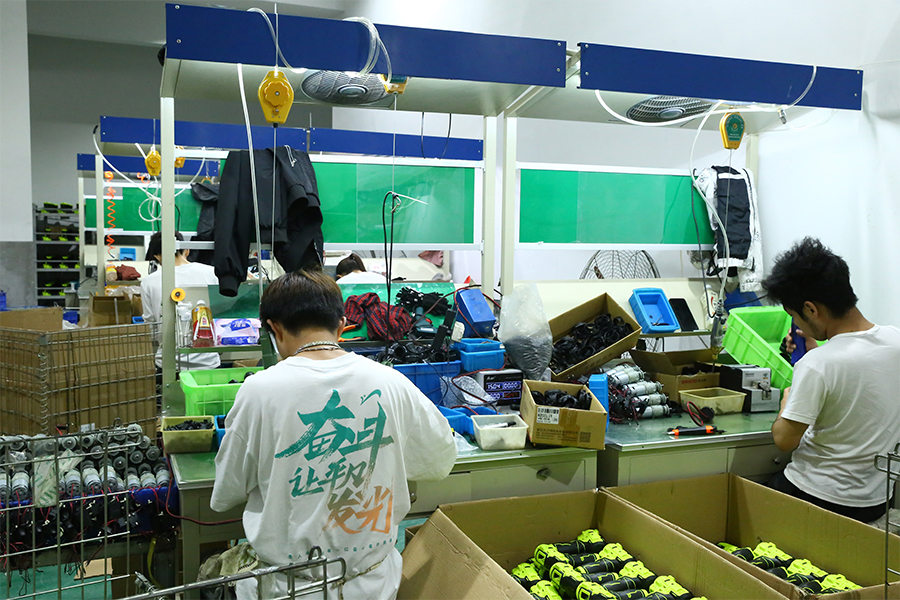
1. Identify the Main Customer Groups in Your Market
Before preparing a purchasing list, define the customers your distribution business intends to serve. Their working conditions and purchasing priorities influence the specifications, accessories, and packaging required.
- DIY and household users: Often need compact drills, screwdrivers, work lights, and straightforward tool kits at accessible price points.
- Professional contractors: May require higher torque, durable construction, multiple battery options, and reliable after-sales support.
- Automotive workshops: May prioritize impact wrenches, inspection lights, and tools suited to repetitive fastening tasks.
- Industrial maintenance teams: Often evaluate application-specific performance, documentation, service arrangements, and compatibility with existing equipment.
Review sales records, customer inquiries, competitor product categories, and feedback from retail partners. This evidence can help determine which tool types deserve regular inventory and which are better introduced through sample orders or special procurement.
2. Build a Product Range with Clear Price Positions
A well-organized catalogue should make it easy for buyers to understand the difference between entry-level, general-purpose, and professional products. Too many similar models can create purchasing confusion and divide demand across unnecessary inventory items.
| Product Tier | Potential Product Categories | Purchasing Considerations |
| Entry-level | Compact drills, basic screwdrivers, work lights | Target price, essential functions, simple packaging |
| General-purpose | Brushless drills, impact drivers, multi-tool kits | Performance range, battery options, accessory combinations |
| Professional | Impact wrenches, rotary hammers, angle grinders | Duty requirements, durability evidence, service and warranty terms |
| Specialized | Application-specific cutting, sanding, or fastening tools | Customer demand, technical documentation, narrower sales volume |
The exact categories depend on the distributor's customer base. A hardware retailer may benefit from compact drills and multi-tool kits, while a professional tool supplier may need a wider range of higher-load equipment.
3. Plan Battery Platforms Before Expanding the Catalogue
Battery compatibility is a commercial consideration as well as a technical requirement. A shared platform can allow customers to use compatible batteries across several tools, while helping distributors organize battery and charger inventory.
Before committing to a platform, review:
- Voltage categories: Match the platform to the intended applications and tool power requirements.
- Battery capacity: Compare available amp-hour ratings, weight, and expected operating duration.
- Compatibility records: Obtain confirmation that specific batteries, chargers, and tools are approved to work together.
- Replacement availability: Check whether spare batteries and chargers can be reordered as customers expand their tool collections.
- Product expansion: Determine whether the supplier can support additional compatible tool categories as demand develops.
Matching voltage labels alone does not guarantee compatibility. Battery connectors, electronic protection, communication requirements, and charging specifications also need verification.
4. Adapt Product Configurations to Regional Requirements
Distributors selling into different countries should review local customer preferences, electrical requirements, product safety obligations, and packaging expectations before confirming a catalogue.
Important regional considerations include:
- Charging arrangements: Confirm the appropriate charger input rating, plug type, and electrical requirements for the destination market.
- Compliance documentation: Verify applicable product safety documents and battery transportation records for the exact models being imported.
- Language requirements: Check whether manuals, labels, warnings, and packaging need local-language content.
- Retail format: Assess whether customers prefer complete kits, bare tools, carrying cases, or bulk packaging.
- Climate and working conditions: Consider the operating environment and relevant product specifications rather than assuming every tool suits every application.
Compliance requirements vary by jurisdiction and product configuration. Buyers should confirm that the documentation covers the actual tool, battery, charger, and intended market before shipment.
5. Control Inventory and Purchasing Costs
A broad product range can attract different customers, but every additional model may require inventory space, product documentation, spare parts, and working capital. Distributors should assess the total purchasing commitment instead of comparing unit prices alone.
A practical inventory review can include:
- Historical sales and expected demand by model.
- Battery and charger quantities required for each product configuration.
- Packaging, shipping, storage, and handling expenses.
- Warranty provisions, replacement parts, and potential returns.
- Supplier order quantities and replenishment arrangements.
New categories can be introduced in stages. A distributor might begin with a core range of drills and impact drivers, evaluate customer response, and then expand into cutting or grinding tools based on documented demand.
6. Evaluate Suppliers Before Confirming Bulk Orders
The supplier's ability to support the planned assortment matters as much as the products themselves. A purchasing review should cover manufacturing capability, quality control, sample evaluation, documentation, and communication throughout the order process.
| Evaluation Area | Questions to Ask |
| Product capability | Can the supplier support the required tool categories and specifications? |
| Quality assurance | Are inspection procedures and finished-product test records available? |
| Customization | Can the supplier provide agreed branding, packaging, and accessory configurations? |
| Supply planning | Are order quantities, production schedules, and replenishment terms clearly defined? |
| After-sales support | How are warranty claims, replacement components, and product issues handled? |
At Chenge, we recommend confirming the product list, battery platform, packaging details, and inspection criteria before approving a bulk purchase. Clear specifications help both parties establish a consistent basis for quotation and order fulfillment.
7. How Chenge Supports Wholesale Tool Planning
We work with buyers to discuss cordless tool configurations and the requirements of their intended sales channels. Sharing your target market and expected product mix helps establish which specifications and accessories need to be included in the purchasing plan.
Before requesting a quotation, distributors can prepare:
- Target countries and customer groups.
- Preferred tool categories and performance requirements.
- Battery voltage, capacity, and charger preferences.
- Estimated demand and packaging requirements.
- Private-label branding and relevant documentation needs.
Build Your Range Around Real Customer Demand
Planning a cordless tool range involves balancing product categories, battery compatibility, regional requirements, inventory exposure, and supplier support. A clearly structured assortment helps distributors serve different customer groups while keeping purchasing decisions manageable.
At Chenge, we welcome inquiries from wholesalers, importers, and private-label buyers planning new cordless tool programs. Visit cordless-drill.net to discuss your target market, product requirements, and wholesale sourcing needs with our team.