

 English
 русский
 Español
Content
- 1 Power Characteristics Behind 12V Brushless Platforms
- 2 Dense Material Performance Reality Check
- 3 Battery Delivery and Real Output Stability
- 4 Electric Tool Set Compatibility Overview
- 5 Lithium Battery Mini Grinder Comparison Insight
- 6 Portable 12V Electric Screwdriver Role in Precision Work
- 7 Portable Woodworking Electric Saw Context
- 8 Capability Boundaries Are Defined by Use Case
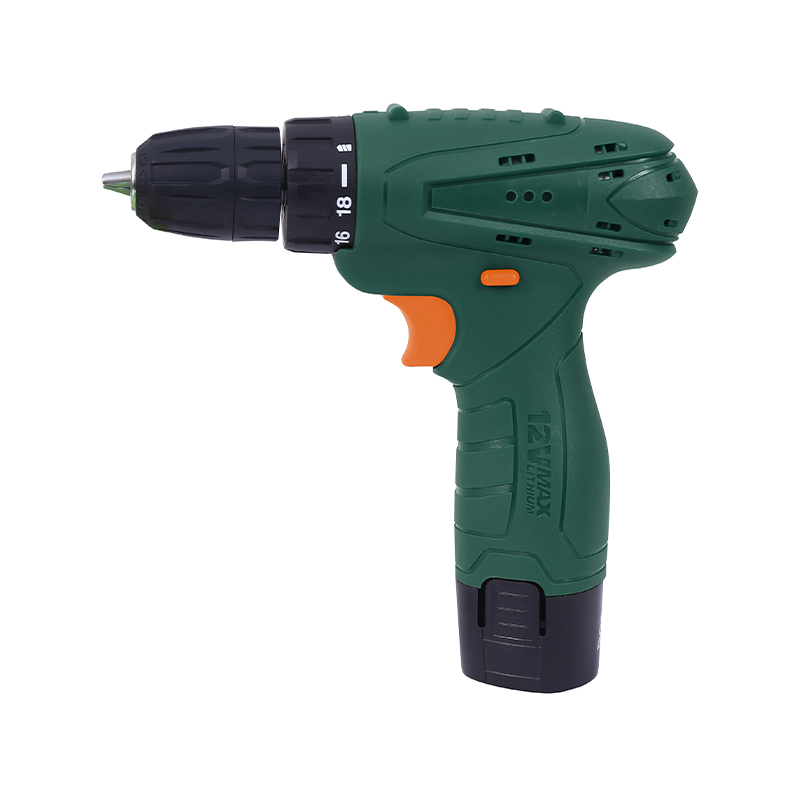
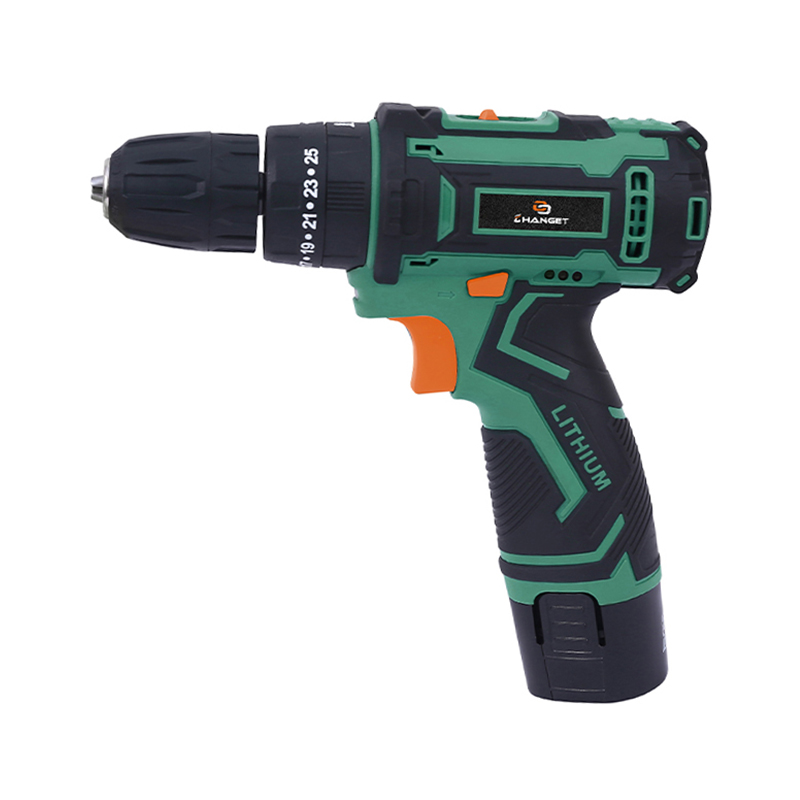
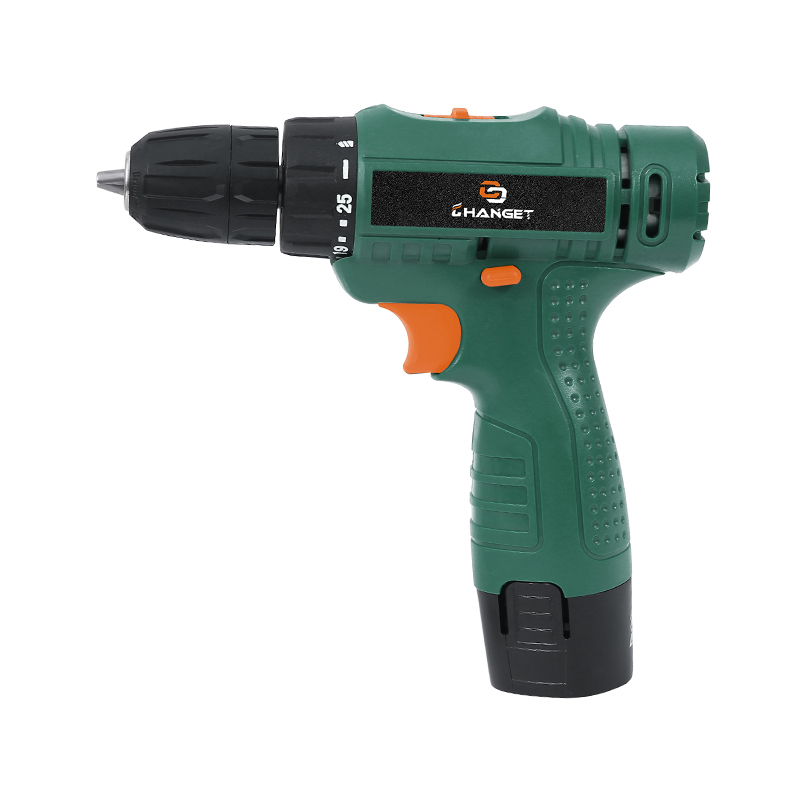
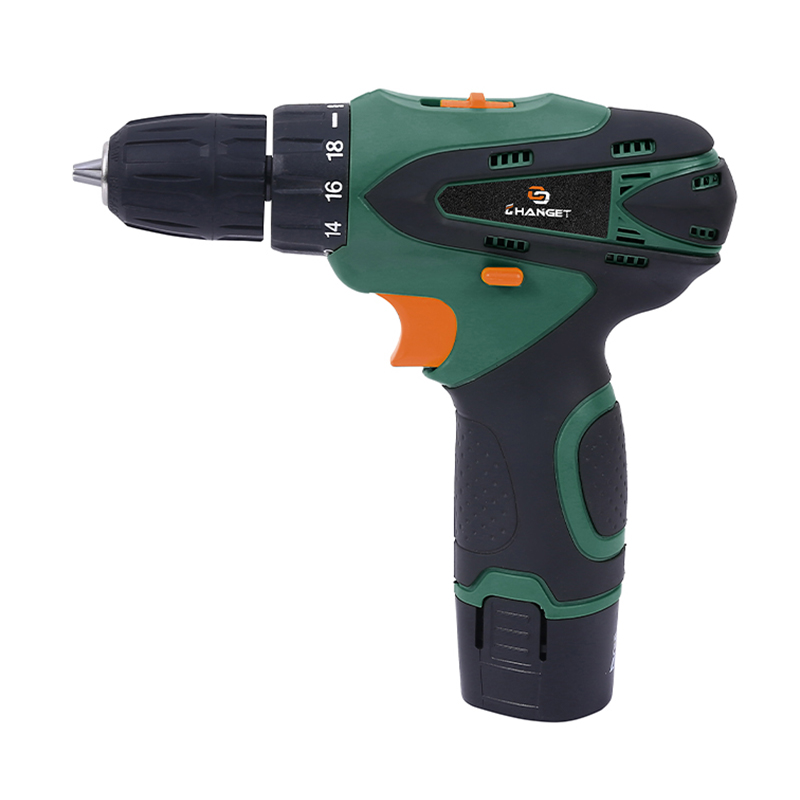
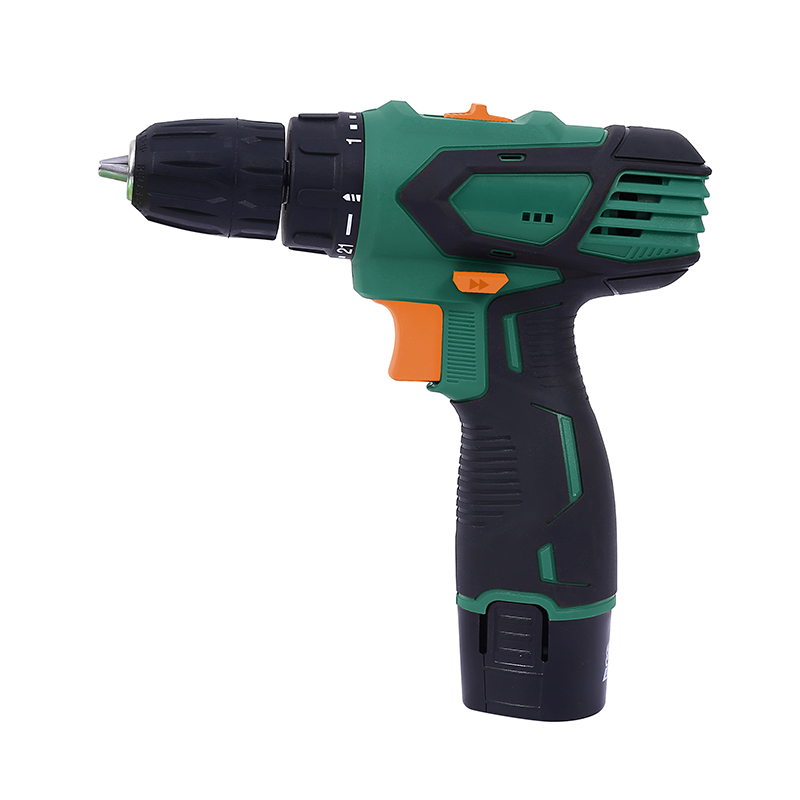
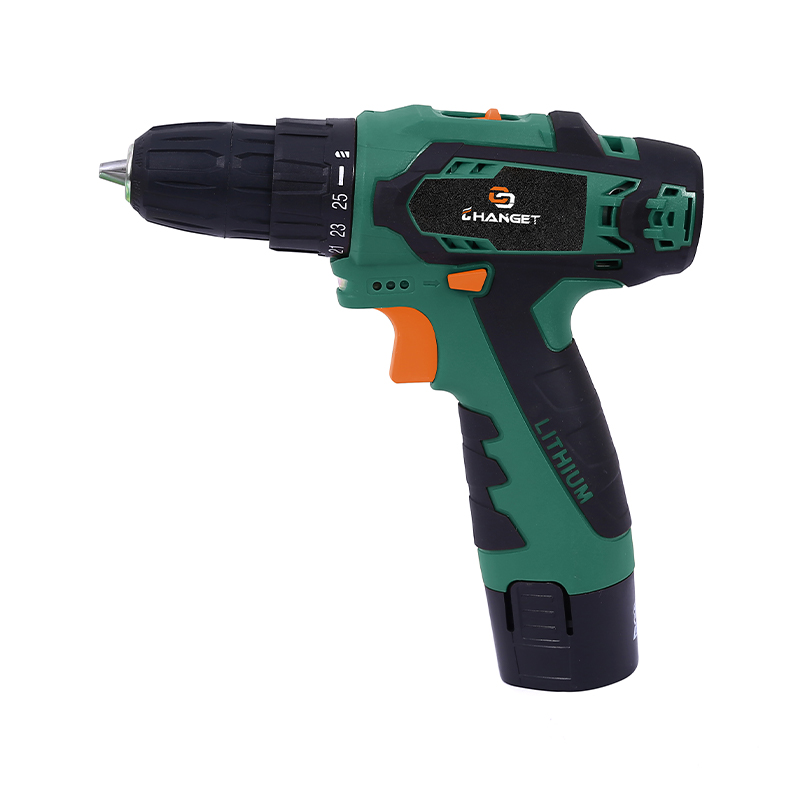
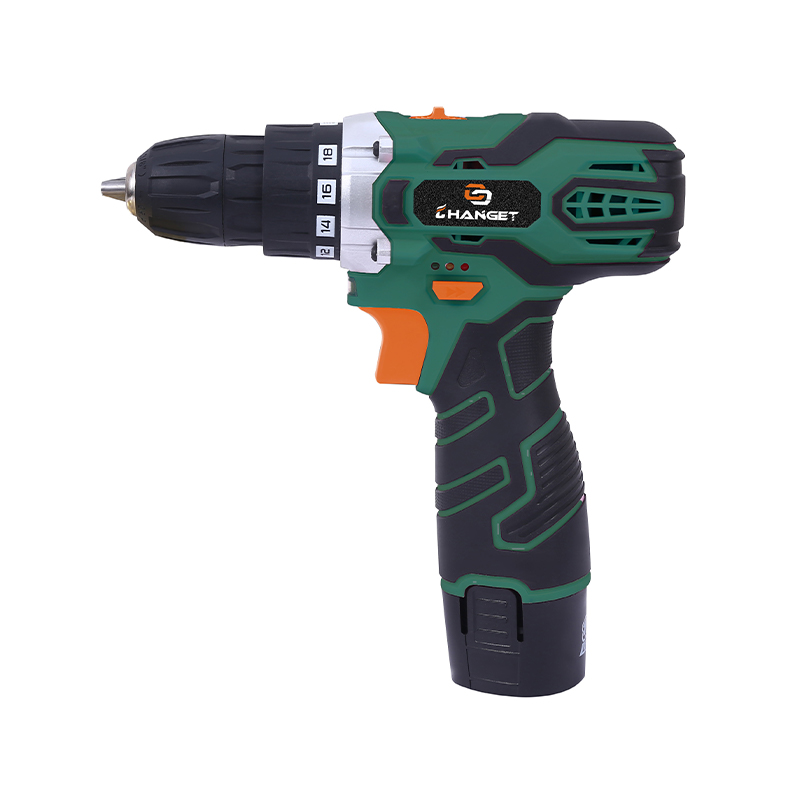
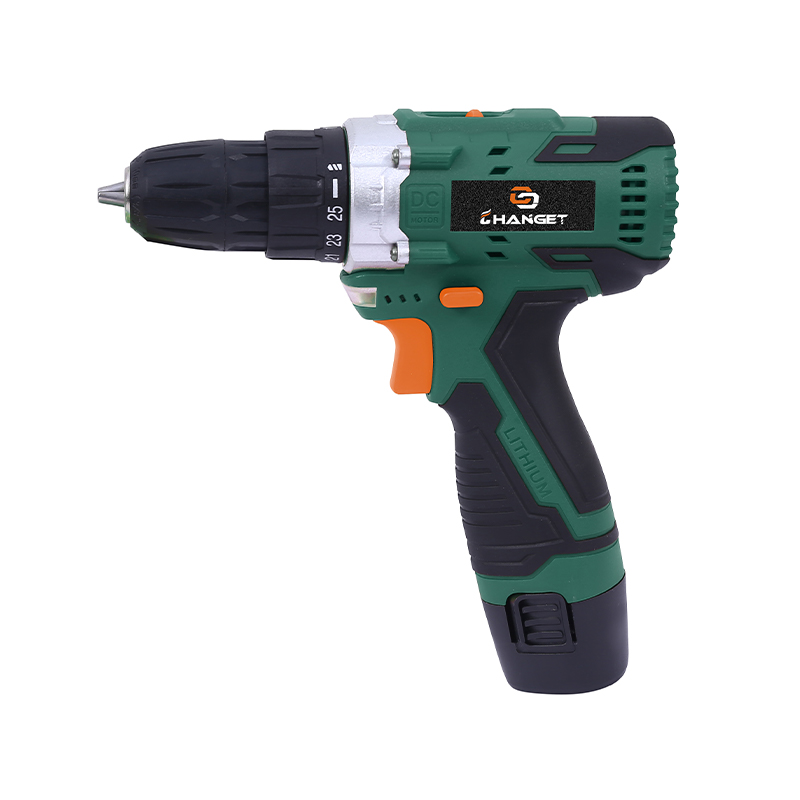
The discussion around compact power tools has shifted quickly in recent years, especially with the rise of compact lithium platforms. A 12v brushless handheld drill is now widely seen in home workshops, installation kits, and even semi-professional toolboxes. Still, doubts remain about whether this class of tool can handle dense materials or remains limited to light-duty tasks.
Real-world testing data and field feedback suggest a more layered answer. Performance depends less on voltage label and more on motor efficiency, torque delivery curve, battery discharge stability, and mechanical design. Compact drills today are no longer “weak tools,” yet they still operate within a defined performance envelope.

Power Characteristics Behind 12V Brushless Platforms
Torque output and RPM balance
Modern compact drills typically operate within a torque range of 250–350 in-lbs (≈28–40 N·m), paired with no-load speeds between 400–1700 RPM depending on gear selection. Brushless motor architecture improves energy conversion efficiency, allowing more usable torque under load compared with brushed alternatives.
- Torque ceiling: enough for wood screws up to 3–4 inches in softwood under controlled conditions
- Speed stability: electronic commutation maintains consistent rotation under load
- Thermal control: reduced internal heat improves sustained operation time
Independent tool comparisons show compact brushless models can drive medium lag screws into pine without significant stall, though dense hardwood or long fasteners require slower feed rates and pre-drilling for stability.
Dense Material Performance Reality Check
Softwood vs hardwood behavior
Performance shifts sharply depending on material density. Softwood such as pine or cedar allows the drill to operate near peak efficiency, while hardwood increases resistance exponentially due to fiber compactness.
- Softwood: smooth screw driving, minimal torque drop
- Hardwood: noticeable RPM drop, clutch engagement becomes critical
- Composite boards: moderate resistance, bit wear becomes more relevant than motor power
Brushless systems maintain better torque consistency under load, but physics still limits penetration speed in dense materials. This is where gear reduction and bit selection become more influential than voltage branding.
Lag screw and large bit constraints
Testing results indicate most 12V brushless drills can seat 3/8-inch lag screws fully in pine, while 1/2-inch fasteners may only reach partial depth without pilot holes. This positions the tool clearly below mid-range 18V systems for structural fastening tasks.
Battery Delivery and Real Output Stability
Voltage alone does not define output capability. Lithium-ion packs differ in discharge curve, current delivery, and thermal behavior under stress.
- 2.0Ah packs: compact, reduced runtime under heavy load
- 3.0Ah+ packs: improved torque consistency under sustained drilling
- high drain cells: better performance during dense material penetration
Battery quality can alter torque output by 20–30% depending on discharge capability and internal resistance, especially under high-load drilling cycles.
Electric Tool Set Compatibility Overview
Compact 12V systems are often sold as bundled kits. These electric tool sets combine drill drivers, impact drivers, and accessories within a shared battery ecosystem. The synergy improves usability but also defines performance boundaries.
| Tool Type | Typical Torque | Primary Use Case | Dense Material Suitability |
| 12V Drill Driver | 250–350 in-lbs | General drilling, assembly | Moderate |
| Impact Driver (12V) | 900–1300 in-lbs | Fastening long screws | High (fastening only) |
| Combo Kit Set | Shared ecosystem | Mixed workshop tasks | Balanced |
The drill driver remains the most controlled option due to clutch systems, while impact drivers compensate with rotational bursts rather than precision torque regulation.
Lithium Battery Mini Grinder Comparison Insight
Interestingly, lithium battery small handheld grinders follow similar engineering constraints. Both grinders and drills rely on compact high-speed brushless motors that trade sustained torque for portability.
- High RPM advantage: efficient cutting and drilling speed in light tasks
- Torque drop under pressure: noticeable slowdown on dense materials
- Thermal throttling: protective reduction in power during extended use
Both tool types prioritize mobility over continuous heavy-load performance, making them ideal for maintenance, trimming, and assembly rather than industrial-grade material removal.
Portable 12V Electric Screwdriver Role in Precision Work
Portable electric screwdrivers within the same voltage class highlight a different advantage: control rather than brute force. Adjustable clutch systems and low-speed gearing allow precise fastening without material damage.
- Electronics assembly: avoids over-torque damage
- Furniture installation: consistent screw depth control
- Cabinet work: reduced surface cracking risk
This category shows that 12V systems are not defined solely by power limits but by precision-oriented engineering choices.
Portable Woodworking Electric Saw Context
Portable woodworking saws powered by similar lithium platforms highlight another boundary of compact energy systems. Cutting efficiency depends heavily on blade geometry and motor RPM stability rather than voltage alone.
- Thin timber cutting: stable performance with proper blade selection
- Thick hardwood: increased resistance, reduced runtime
- Continuous operation: heat management becomes limiting factor
These parallels reinforce that compact cordless platforms share a consistent design philosophy: portability balanced against sustained heavy-load capability.
Capability Boundaries Are Defined by Use Case
The question of whether a 12v brushless handheld drill is sufficient for dense materials does not have a binary answer. Performance depends on material hardness, battery quality, and accessory selection more than nominal voltage.
Dense hardwood and structural fastening tasks still benefit from higher-voltage platforms. However, compact brushless drills deliver strong practical value in everyday assembly, light construction, and precision fastening environments. Their role is not to replace heavy-duty tools but to expand efficiency in controlled, portable workflows.