

 English
 русский
 Español
Content
- 1 Compact Storage Supports More Than Convenience
- 2 Essential Tools Cover Everyday Woodworking Tasks
- 3 Portable Designs Expand Working Locations
- 4 Organization Reduces Lost Time
- 5 Material Quality Influences Long-Term Durability
- 6 Storage Layout Matters as Much as Capacity
- 7 Suitable Projects Extend Beyond Furniture
- 8 Small Design Details Improve Everyday Use
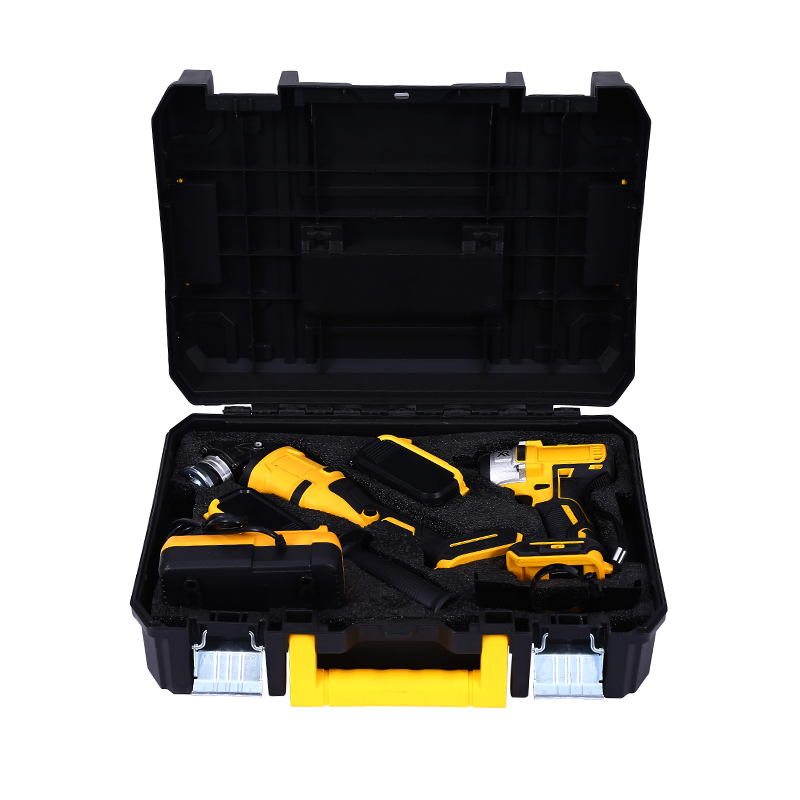
Woodworking no longer belongs only to professional workshops. Home renovation, DIY furniture building, cabinet installation, and creative craft projects have encouraged more people to build their own workspaces. Rather than purchasing dozens of individual tools, many users prefer a Multi-Function Woodworking Tool Box that combines essential hand tools into one organized storage system. A compact toolbox saves space, keeps equipment protected, and allows users to complete a wide variety of woodworking jobs without constantly searching for missing tools. Experienced woodworkers also point out that organization often improves productivity just as much as adding new equipment.
Compact Storage Supports More Than Convenience
A toolbox serves as more than a storage container. Proper organization protects precision tools from impact, moisture, and dust while reducing setup time before every project.
A well-designed multi-function woodworking toolbox typically includes compartments dedicated to different categories of tools.
- Measuring tools
- Cutting tools
- Fastening tools
- Finishing accessories
- Hardware storage
Dedicated compartments help prevent tool damage while making frequently used items easier to locate during busy projects.
Essential Tools Cover Everyday Woodworking Tasks
Many furniture and repair jobs require only a practical collection of hand tools instead of specialized workshop equipment.
| Tool Category | Typical Purpose | Common Project |
| Claw Hammer | Nailing and removal | Furniture assembly |
| Screwdrivers | Fastening screws | Cabinets and shelves |
| Combination Square | Angle measurement | Frame construction |
| Tape Measure | Dimension checking | Wood cutting |
| Wood Chisel | Joint trimming | Fine woodworking |
| Utility Knife | Material trimming | General repair |
| Hand Saw | Small wood cuts | DIY projects |
A practical collection like this supports numerous household woodworking applications without requiring a full workshop.
Portable Designs Expand Working Locations
Not every woodworking task happens inside a dedicated shop. Homeowners often install cabinets in kitchens, repair fences outdoors, or assemble furniture in different rooms.
A portable toolbox allows tools to travel wherever the project takes place.
Typical Portable Applications
- Apartment furniture assembly
- Outdoor deck repairs
- Window frame maintenance
- Bookshelf installation
- Garage storage construction
Mobility reduces repeated trips between the work area and storage location.
Organization Reduces Lost Time
Small items such as screws, drill bits, wall plugs, nails, and brackets are easy to misplace during a project.
Many Multi-Function Woodworking Tool Box designs include transparent storage boxes, removable trays, and modular organizers that separate accessories according to size or application.
Clear organization offers several practical advantages:
- Faster tool retrieval
- Cleaner work areas
- Reduced hardware loss
- Simpler inventory checks
Professional woodworkers frequently recommend establishing a consistent storage layout because organized tools reduce interruptions during projects.
Material Quality Influences Long-Term Durability
Exterior construction determines how well a toolbox protects valuable equipment during transport.
Common housing materials include:
- Impact-resistant ABS plastic
- Polypropylene (PP)
- Aluminum alloy frames
- Steel reinforcement
Metal latches, reinforced hinges, and comfortable carrying handles also contribute to dependable daily use.
Storage Layout Matters as Much as Capacity
Large storage volume alone does not guarantee efficient organization.
| Storage Area | Suggested Contents |
| Upper Tray | Screwdrivers, pencils, utility knife |
| Center Compartments | Fasteners and drill bits |
| Main Compartment | Hammer, saw, pliers, clamps |
| Side Organizers | Nails, anchors, washers |
| Lid Storage | Measuring tape and square |
Separate storage zones reduce clutter and simplify access during continuous work.
Suitable Projects Extend Beyond Furniture
Many people underestimate the versatility of a woodworking toolbox.
Typical applications include:
- Wall-mounted shelving
- Pet houses
- Garden planters
- Picture frames
- Kitchen storage racks
- Wooden toy construction
- Small repair projects
One organized toolkit supports a wide variety of household woodworking activities without requiring frequent equipment purchases.
Small Design Details Improve Everyday Use
Several practical features often receive less attention during purchasing decisions.
- Lockable metal latches improve security.
- Non-slip carrying handle increases comfort.
- Removable trays simplify organization.
- Stackable design saves storage space.
- Water-resistant housing protects valuable tools.
These details contribute to easier transportation and more efficient project management during daily woodworking tasks.
A multi-function woodworking toolbox combines organization, portability, and practical tool storage into one compact solution. Whether building furniture, repairing household items, installing cabinets, or completing weekend DIY projects, an organized toolbox allows users to work more efficiently while keeping essential equipment protected. Rather than focusing only on storage capacity, evaluating layout, durability, portability, and included tool categories provides a clearer picture of long-term value for everyday woodworking projects. Community discussions also show that experienced users often value organization and accessibility just as highly as the tools themselves.