

 English
 русский
 Español
Content
- 1 1. Consistent Product Quality Across Different Orders
- 2 2. A Product Range That Supports Business Expansion
- 3 3. Reliable Technical Support and Spare Parts Availability
- 4 4. Transparent Communication and Order Coordination
- 5 5. OEM and Customization Capabilities
- 6 6. Compliance Documentation and Market Requirements
- 7 7. How Chenge Approaches Long-Term Distributor Cooperation
- 8 Frequently Asked Questions
Building a profitable power tool distribution business requires more than finding products at competitive prices. Importers and wholesalers need suppliers capable of maintaining product quality, supporting repeat orders, providing technical assistance, and adapting to changing market requirements. These considerations become particularly important across a broad range of portable electric power tools, including cordless drills, screwdrivers, angle grinders, and reciprocating saws.
At Chenge, we understand that distributors are not simply purchasing individual tools. They are developing product portfolios that need consistent technical specifications and dependable commercial support. A long-term supplier relationship should therefore provide value throughout the entire purchasing cycle, from initial product evaluation to after-sales service.
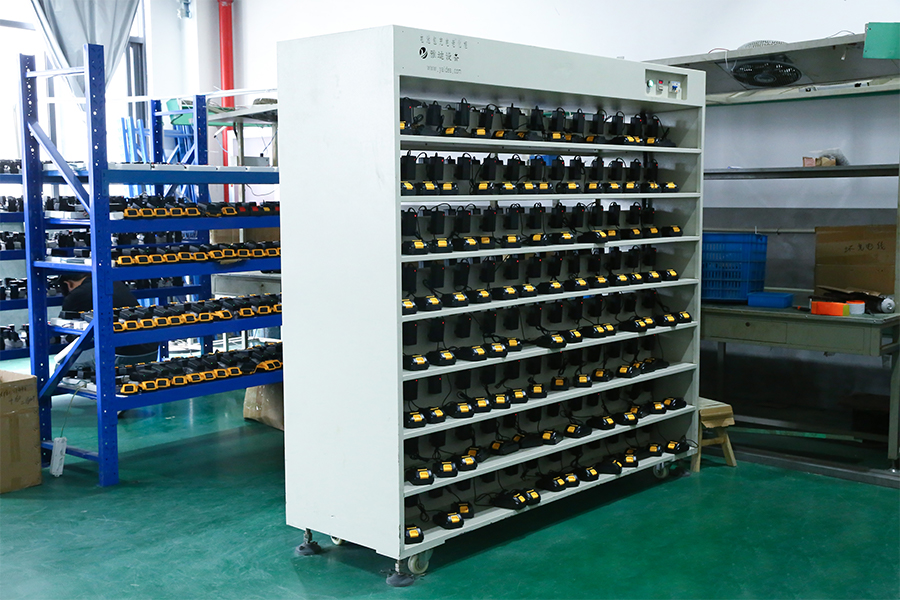
1. Consistent Product Quality Across Different Orders
Product consistency is a major concern for distributors managing repeat purchases. Differences between production batches can affect customer feedback, warranty expenses, and brand reputation.
Before establishing a supplier relationship, buyers should review the manufacturer's quality management procedures, including:
- Incoming inspection: Checking the quality of motors, batteries, switches, housings, and other components.
- Production inspection: Monitoring assembly procedures and key product specifications.
- Functional testing: Verifying motor operation, speed adjustment, battery performance, and other relevant functions.
- Final inspection: Checking product appearance, accessories, packaging, and operating condition before shipment.
At Chenge, we believe clear inspection standards and documented product specifications help buyers establish more predictable purchasing arrangements.
2. A Product Range That Supports Business Expansion
Distributors often serve different customer groups, from home improvement retailers to professional workshops and construction equipment dealers. A supplier with multiple tool categories can make product portfolio development easier.
Relevant product categories may include:
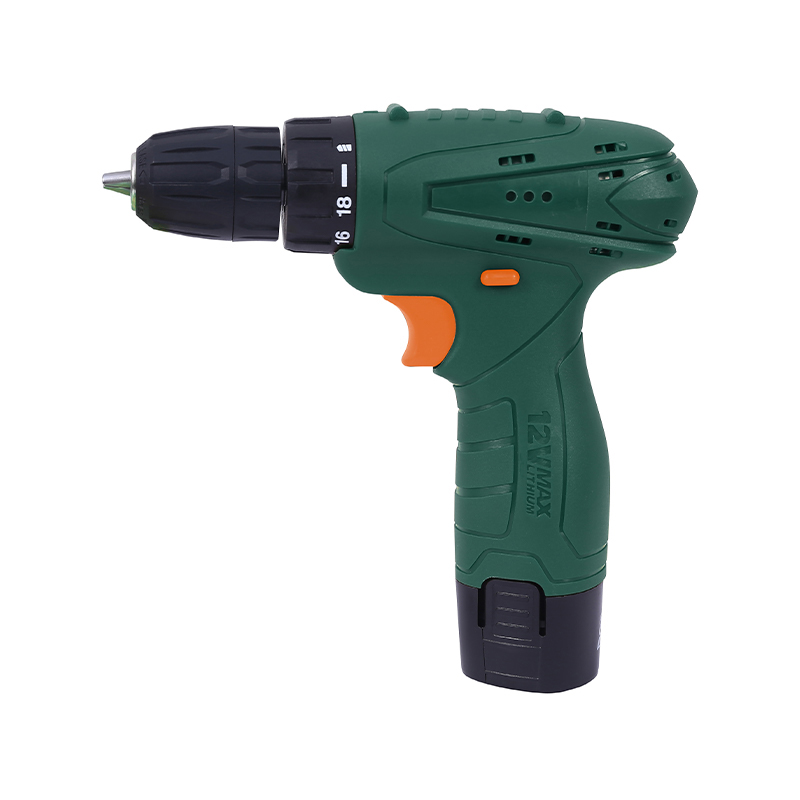
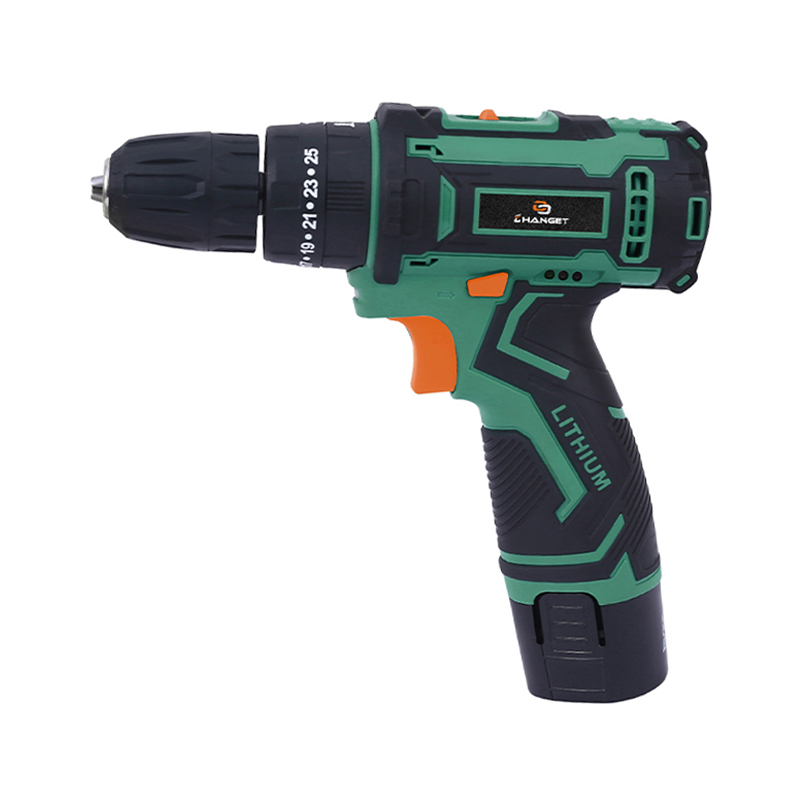
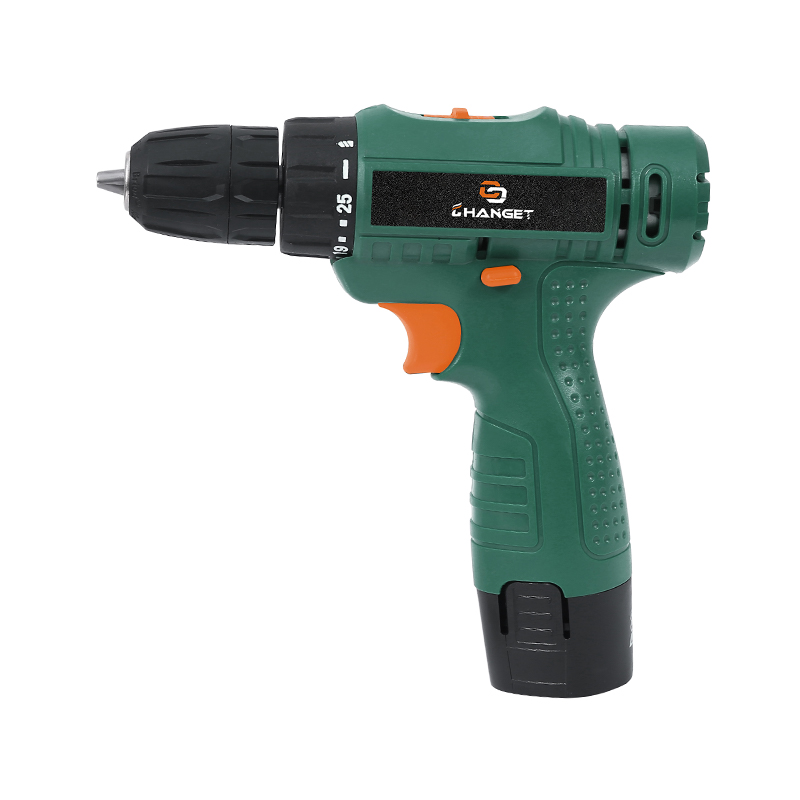
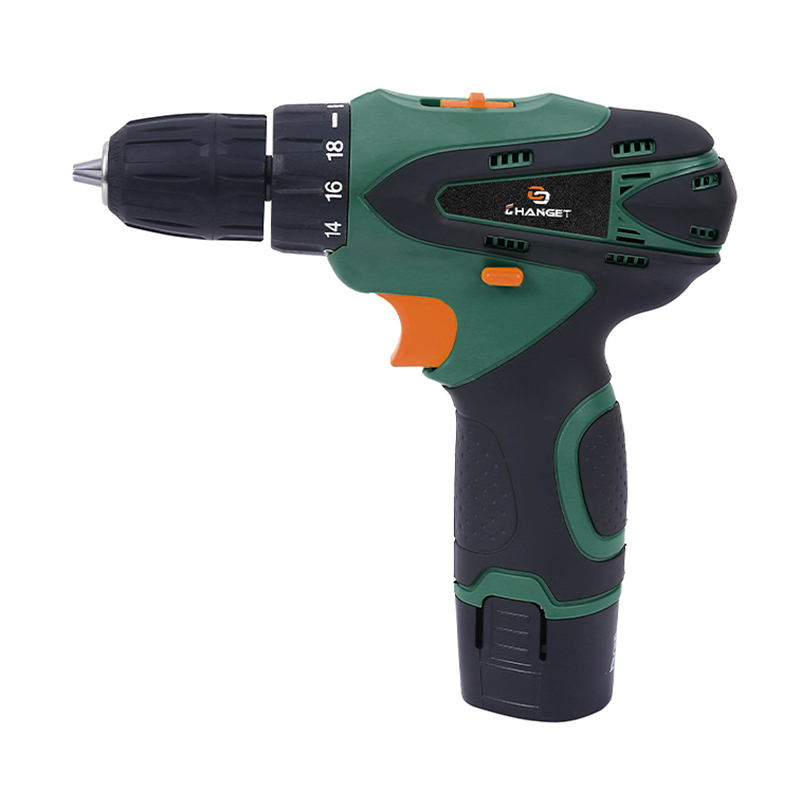
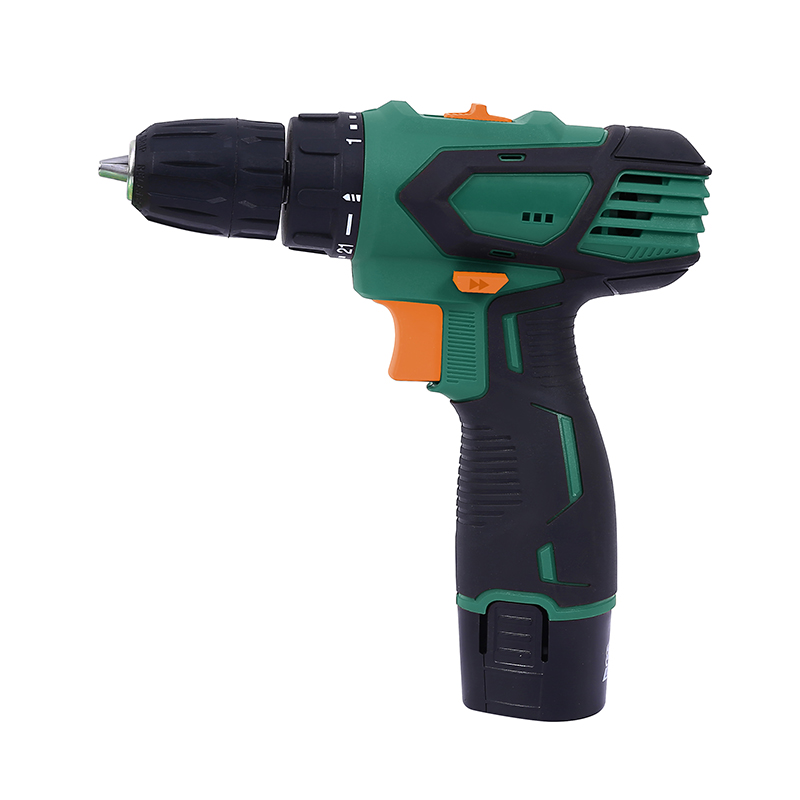
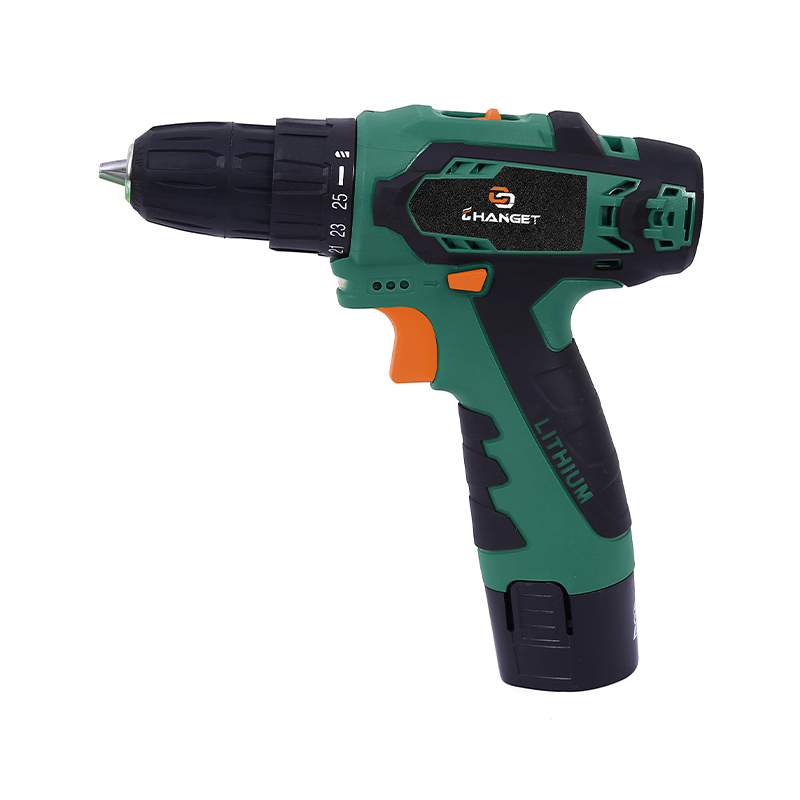
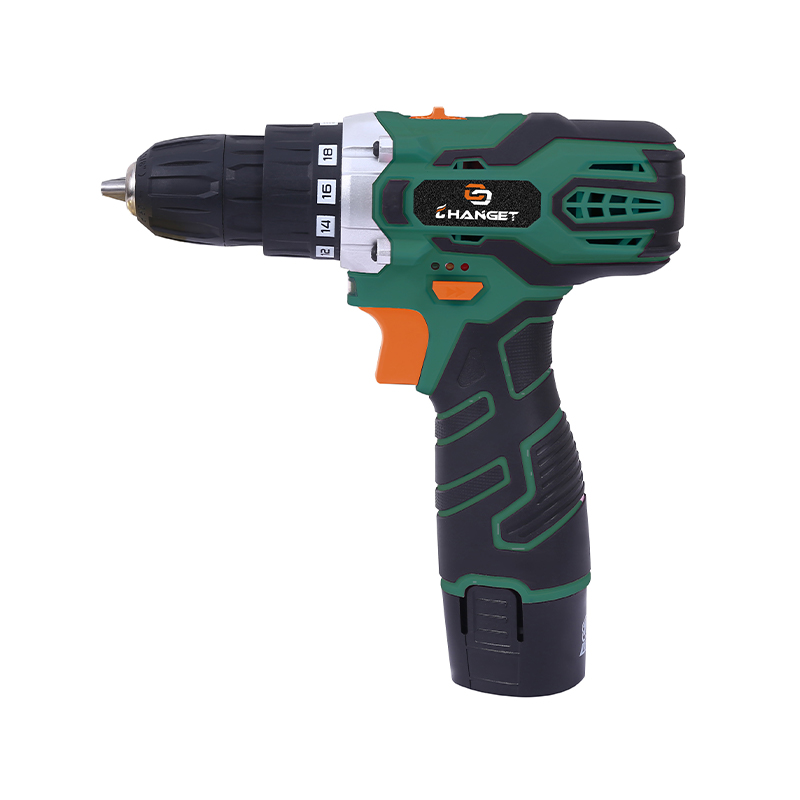
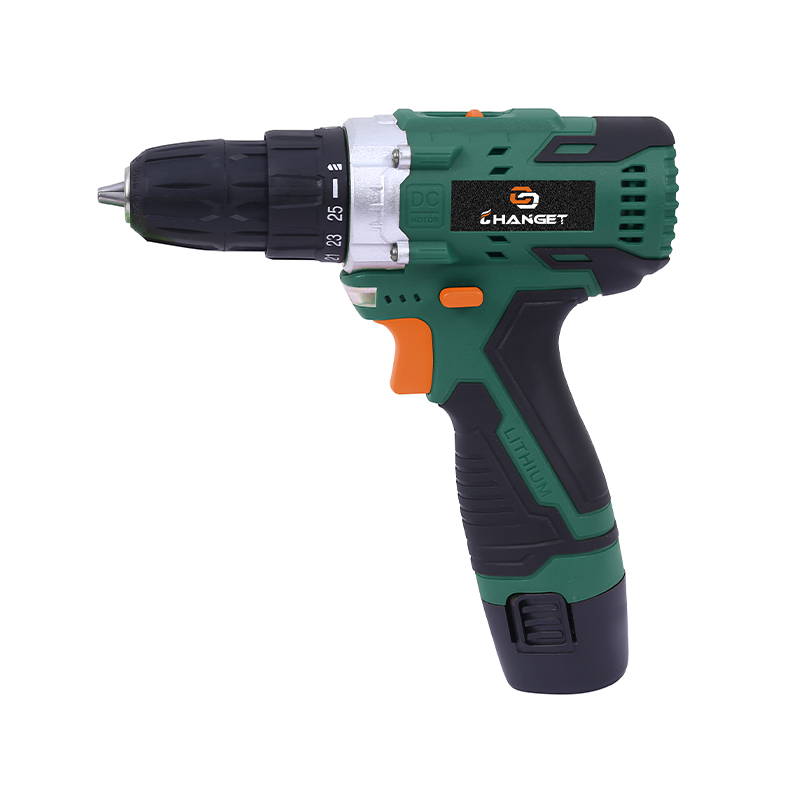
- Cordless drills and impact drivers for drilling and fastening.
- Cordless screwdrivers for furniture and equipment assembly.
- Angle grinders for cutting, grinding, and surface preparation.
- Reciprocating saws for maintenance and demolition applications.
- Other portable power tools for workshop and construction tasks.
A coordinated product portfolio can also simplify catalog management, product promotion, and communication with manufacturing partners. Buyers should evaluate whether the supplier can maintain consistent specifications and provide clear technical information across different models.
3. Reliable Technical Support and Spare Parts Availability
After-sales support becomes increasingly important as distributors build a larger installed customer base. Batteries, chargers, switches, motor components, and other parts may require replacement during the product's service life.
Before confirming a long-term cooperation agreement, distributors should discuss:
- Spare parts supply: Availability of commonly replaced components for each model.
- Technical assistance: Access to product manuals, troubleshooting guidance, and specification information.
- Warranty procedures: Clear coverage terms and defect reporting arrangements.
- Replacement solutions: Defined procedures for handling defective products and damaged accessories.
We recommend putting these responsibilities into written agreements. Clear arrangements help both parties handle customer complaints and product maintenance requests more efficiently.
4. Transparent Communication and Order Coordination
International procurement involves multiple stages, including quotation, sample confirmation, specification approval, production scheduling, packaging, and shipment coordination. Unclear communication at any stage can create unnecessary commercial difficulties.
A dependable supplier should be able to provide:
- Detailed quotations with clearly identified product configurations.
- Updated production and order status information.
- Confirmation of packaging, labeling, and accessory requirements.
- Prompt responses to technical and commercial questions.
- Advance communication about specification or component changes.
At Chenge, we recognize that accurate communication is essential for coordinating overseas purchasing programs. Distributors should have a clear contact channel for discussing both routine orders and unexpected product issues.
5. OEM and Customization Capabilities
Some distributors prefer standard products, while others want to develop private-label tool ranges. OEM and ODM support can help businesses differentiate their offerings and adapt product configurations to local market preferences.
Potential customization requirements include:
| Customization Area | Possible Requirements |
| Branding | Logo printing and product identification |
| Packaging | Custom color boxes, labels, and instruction manuals |
| Electrical configuration | Voltage, frequency, and plug requirements where applicable |
| Battery configuration | Compatible battery capacity and charger arrangements |
| Product accessories | Different blades, bits, and supporting components |
Customization feasibility depends on the product design, applicable regulations, and manufacturing requirements. Buyers should confirm technical details and associated costs before approving samples or production specifications.
6. Compliance Documentation and Market Requirements
Power tool regulations differ between destination markets. Importers need to understand which safety standards, conformity assessments, and technical documents apply to their products.
Depending on the destination and product category, buyers may need to review CE-related documentation, applicable electrical safety reports, battery transport testing such as UN 38.3, and relevant material compliance information.
We recommend checking the following details:
- Whether certificates and test reports correspond to the exact product model.
- Whether the documentation covers the supplied battery and charger configuration.
- Whether product labels and instruction manuals meet destination-market requirements.
- Whether the supplier can provide updated documentation when product specifications change.
7. How Chenge Approaches Long-Term Distributor Cooperation
At Chenge, we believe a sustainable supplier relationship should be built around product suitability, clear communication, and ongoing purchasing support.
Our approach focuses on understanding the distributor's target market, product categories, and commercial requirements before discussing suitable configurations.
We place particular attention on three areas:
- Product matching: Discussing tool specifications and intended applications to help buyers identify suitable models.
- Order coordination: Confirming product configurations, accessories, packaging, and order details.
- Ongoing support: Addressing technical questions, replacement parts, and product documentation requirements.
We understand that distributors need suppliers who can support more than an initial transaction. Maintaining clear product information and communication throughout repeat purchasing cycles helps establish a practical foundation for business cooperation.
Frequently Asked Questions
1. How Can Distributors Evaluate a Supplier's Quality Consistency?
Buyers can review inspection procedures, request production test records, compare samples with approved specifications, and monitor product performance across repeat orders.
2. Why Is Spare Parts Availability Important for Power Tool Distributors?
Access to replacement components helps distributors handle routine maintenance and warranty requests without replacing complete tools unnecessarily.
3. Can Power Tool Suppliers Support Private-Label Products?
Some manufacturers offer OEM and ODM services, including logo printing, customized packaging, accessory configurations, and selected product modifications. Buyers should confirm customization feasibility and related requirements with the supplier.
4. What Should Be Included in a Long-Term Supplier Agreement?
Important terms include product specifications, quality inspection requirements, warranty coverage, replacement procedures, packaging details, documentation responsibilities, and order coordination arrangements.