

 English
 русский
 Español
Content
- 1 What is a brushless motor, and how does it benefit an angle grinder compared to a brushed motor?
- 2 How does the performance of a high-end cordless grinder compare to a corded model for professional use?
- 3 What battery specifications are important for grinder performance?
- 4 What safety and operational precautions are specific to brushless cordless grinders?
What is a brushless motor, and how does it benefit an angle grinder compared to a brushed motor?
A brushless motor operates on a different electromechanical principle than a traditional brushed motor. In a brushed motor, physical carbon brushes press against a rotating commutator to deliver electrical current to the armature, creating magnetic fields that drive rotation. This contact creates friction, heat, and eventual wear, requiring brush replacement.
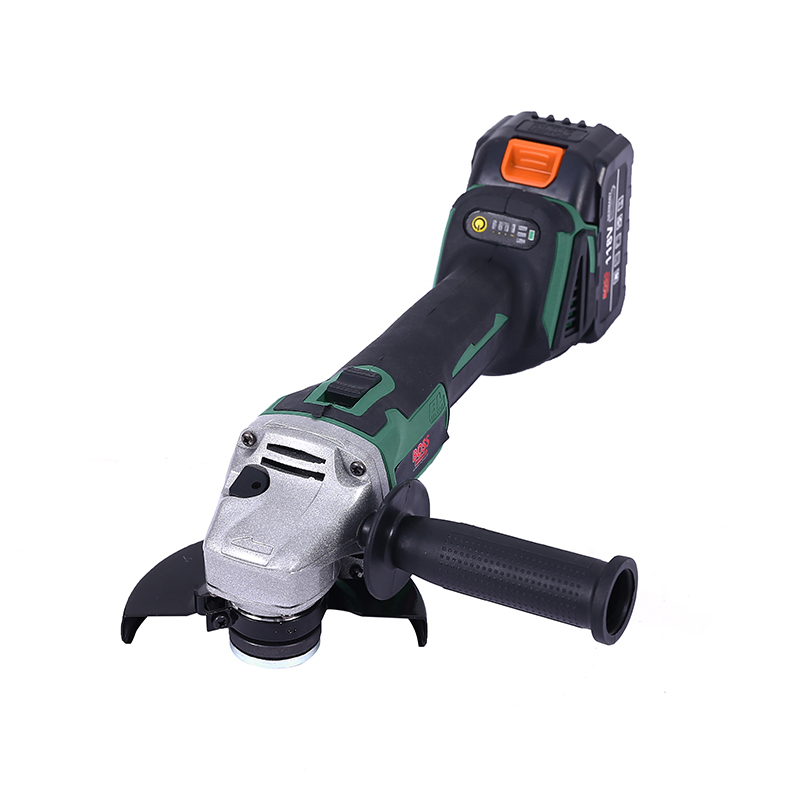
A brushless motor eliminates these brushes and the commutator. Instead, it uses a permanent magnet rotor and a stationary stator with copper windings. An electronic circuit (the controller) precisely sequences the current to these windings to create a rotating magnetic field that pulls the rotor around. In an angle grinder, this design offers several functional benefits. It generates less heat and friction, improving energy efficiency. This allows more of the battery's power to be converted into useful work at the wheel, potentially bring about longer runtime per charge. The absence of brush wear eliminates a maintenance item and can contribute to a longer motor life. Furthermore, the electronic control allows for more responsive management of power and speed under varying load conditions.
How does the performance of a high-end cordless grinder compare to a corded model for professional use?
The performance gap between cordless and corded grinders has narrowed significantly with advances in brushless motors and high-output lithium-ion batteries, but practical differences remain. Modern professional-grade cordless grinders, particularly those using 18V or higher battery platforms with high-amperage-hour (Ah) packs, can deliver power and sustained performance that meets or exceeds many common corded tasks, such as cutting rebar, grinding welds, or notch cutting.
The primary distinction is in continuous runtime and duty cycle. A corded grinder draws unlimited power from the grid, making it suitable for prolonged, continuous grinding or cutting sessions, such as when preparing large steel plates. A cordless tool is limited by its battery capacity. While swapping batteries can mitigate this, for tasks requiring hours of near-continuous operation, a corded tool avoids interruptions. However, for the vast majority of job site tasks—which are intermittent—a cordless brushless grinder offers sufficient power and the decisive advantage of portability and convenience, eliminating the need for generators, extension cords, and access to power outlets.
What battery specifications are important for grinder performance?
For a high-demand tool like an angle grinder, not all batteries on the same voltage platform perform equally. Two key specifications determine performance: voltage (V) and amp-hour rating (Ah). Voltage (e.g., 18V, 36V, 54V) broadly determines the potential power and speed of the tool. Higher voltage platforms generally allow for higher power output and sustained performance under heavy load.
The amp-hour (Ah) rating indicates the battery's energy capacity—how long it can run a tool under a given load. For grinders, a higher Ah rating (e.g., 5.0Ah, 8.0Ah, 12.0Ah) is typically preferred as it provides longer runtime. However, equally important is the battery's ability to deliver high current (amps). This is often indicated by the battery's design, with high-performance packs using premium cells that can sustain high discharge rates without overheating. A battery with a high Ah rating but poor current delivery may cause the grinder to bog down under load. Users should select batteries recommended by the manufacturer for high-demand applications.
What safety and operational precautions are specific to brushless cordless grinders?
While they share universal angle grinder safety rules (using guards, proper PPE, securing workpieces), cordless brushless models introduce specific considerations. Battery management is critical. Batteries should not be left on the charger indefinitely or stored in temperatures, as this degrades their life. Using a damaged or swollen battery pack can be hazardous. The lack of a cord requires awareness of the remaining charge to prevent the tool from stopping unexpectedly in the middle of a cut, which can bind the wheel. Users should have a charged spare battery ready.
The electronic controls in brushless motors often include protection features that may feel unfamiliar. If the tool is overloaded, the electronics may cut power to protect the motor and battery. This is a safety feature, not a defect. Users should also note that while brushless motors are efficient, the grinder's gearbox and wheel still generate significant heat; allowing the tool to cool during prolonged use is necessary. Finally, ensuring the battery is fully seated and locked before operation prevents power loss or disconnection during use, which could be dangerous.