

 English
 русский
 Español
High torque impact wrenches are widely used in automotive repair, industrial maintenance, construction, and heavy equipment servicing. Their ability to deliver high rotational force makes them essential for loosening and tightening large bolts and nuts quickly and efficiently. As their use continues to expand, several public concerns and industry trends have emerged.
Safety and Operator Injury Risk
High torque impact wrenches deliver powerful bursts of rotational force, which can create safety risks if not used correctly. The common safety concerns include:
Recoil and sudden torque reaction: When a fastener loosens, the wrench may suddenly rotate, causing wrist or arm strain.
Over-tightening: High torque can bring about overtightened fasteners, potentially damaging threads or causing bolt failure.
Flying debris: Loose rust, metal shavings, or broken fasteners may become projectiles during use.
To reduce risks, operators should use appropriate personal protective equipment (PPE), such as safety glasses and gloves, and ensure the tool is properly supported. Using a torque-limiting device or a torque wrench to verify final torque can help prevent over-tightening. Additionally, choosing the correct socket size and ensuring it is securely attached minimizes the chance of slippage or damage.
Power Source Debate: Corded vs. Cordless vs. Pneumatic
A key topic in the market is the choice of power source. High torque impact wrenches are available in three main forms:
Pneumatic (air-powered): Common in workshops due to high power-to-weight ratio and continuous operation. Requires an air compressor and hoses.
Corded electric: Offers consistent power without battery limitations, but may be less portable due to cord constraints.
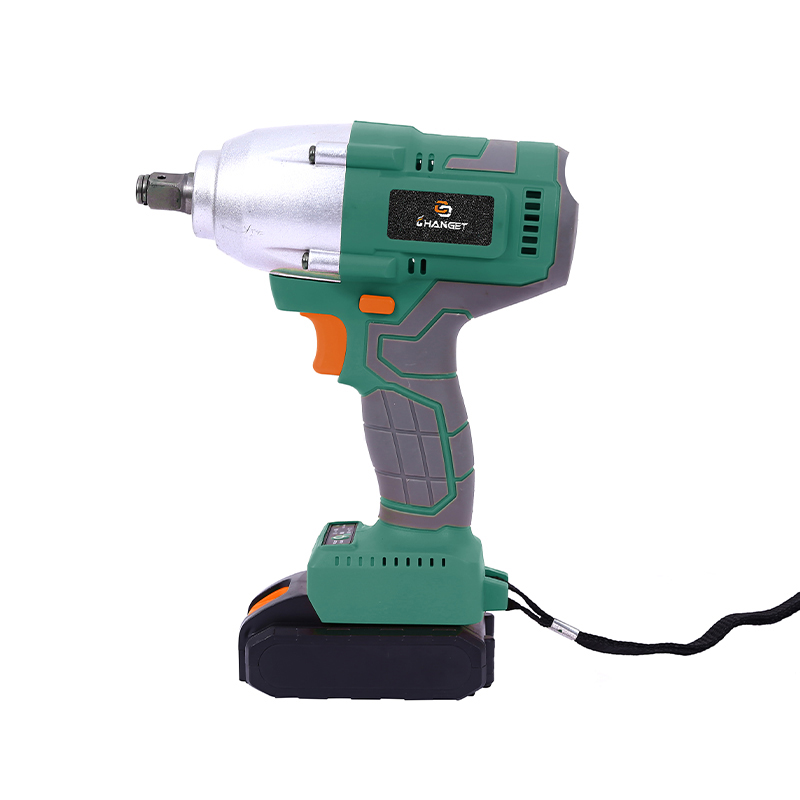
Cordless battery-powered: Provides high portability and ease of use. Modern lithium-ion batteries have improved performance, but runtime and battery cost remain considerations.
Each power source has advantages and limitations. Pneumatic tools are often preferred for heavy-duty industrial use because they provide continuous high torque and are relatively lightweight. Cordless tools are increasingly popular for fieldwork and mobile mechanics due to convenience. Corded electric tools are useful where power availability is stable and mobility is less important.
Impact on Fastener Integrity and Maintenance Quality
Another hot topic is how high torque impact wrenches affect fastener integrity and maintenance outcomes. Using an impact wrench incorrectly can bring about several issues:
Thread damage: Excessive torque or incorrect socket size can strip threads or damage bolt heads.
Uneven tightening: Inconsistent torque application may result in uneven clamping force, affecting equipment performance.
Fastener fatigue: Repeated overtightening can cause fatigue and eventual failure.
To mitigate these issues, technicians should follow proper tightening procedures. This includes using the correct socket, applying torque in stages, and checking final torque with a calibrated torque wrench when required. For critical assemblies such as wheel lug nuts, structural bolts, or pressure equipment, a torque verification step is often recommended.
Noise and Environmental Concerns
Noise levels and environmental impact are growing concerns, especially in urban or enclosed workspaces. High torque impact wrenches, particularly pneumatic models, can generate significant noise. This has implications for worker comfort and compliance with occupational noise regulations.
Key considerations include:
Noise reduction: Using mufflers, choosing lower-noise models, and maintaining equipment can reduce sound levels.
Air quality: Pneumatic tools require compressed air systems that may produce heat and require energy for compression.
Energy efficiency: Battery-powered models rely on electricity for charging, while pneumatic systems require energy for air compression.
Employers and operators can reduce environmental impact by selecting energy-efficient models, maintaining tools properly, and using hearing protection in noisy environments. In many cases, switching to battery-powered models can reduce noise and eliminate the need for an air compressor, but it may introduce concerns about battery disposal and charging infrastructure.