

 English
 русский
 Español
Content
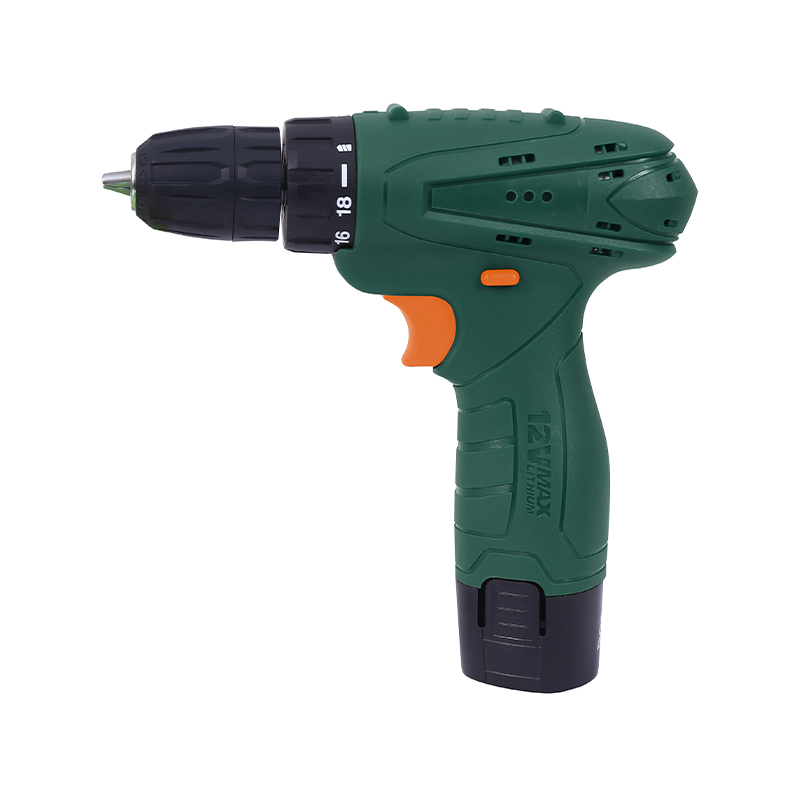
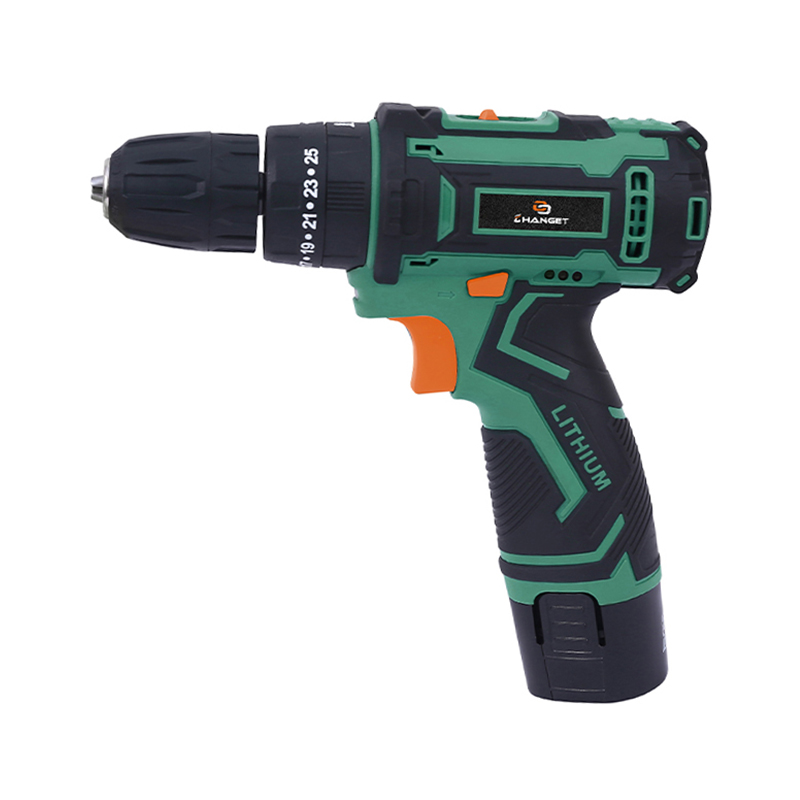
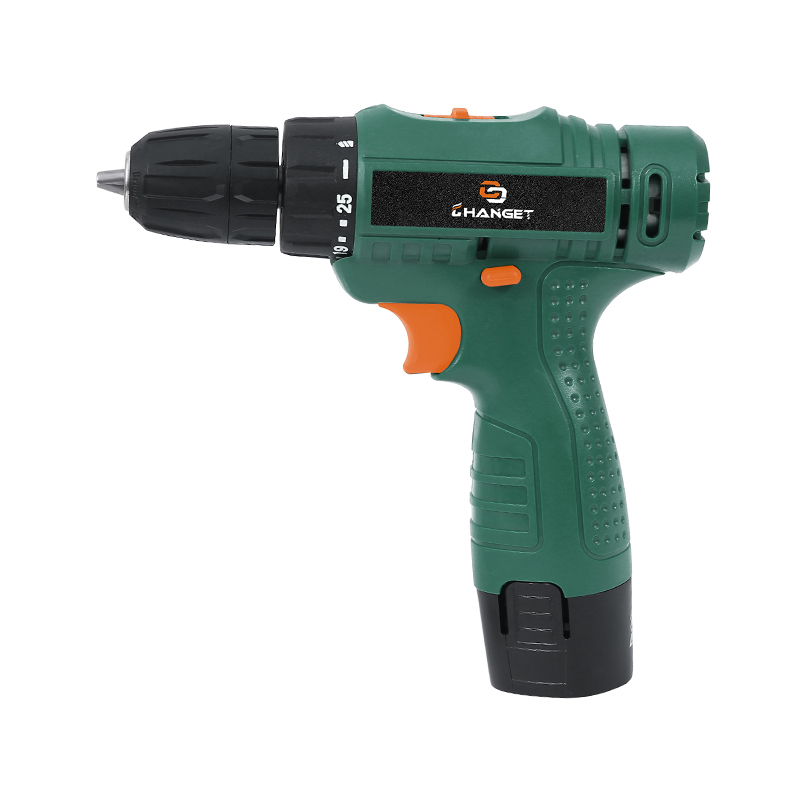
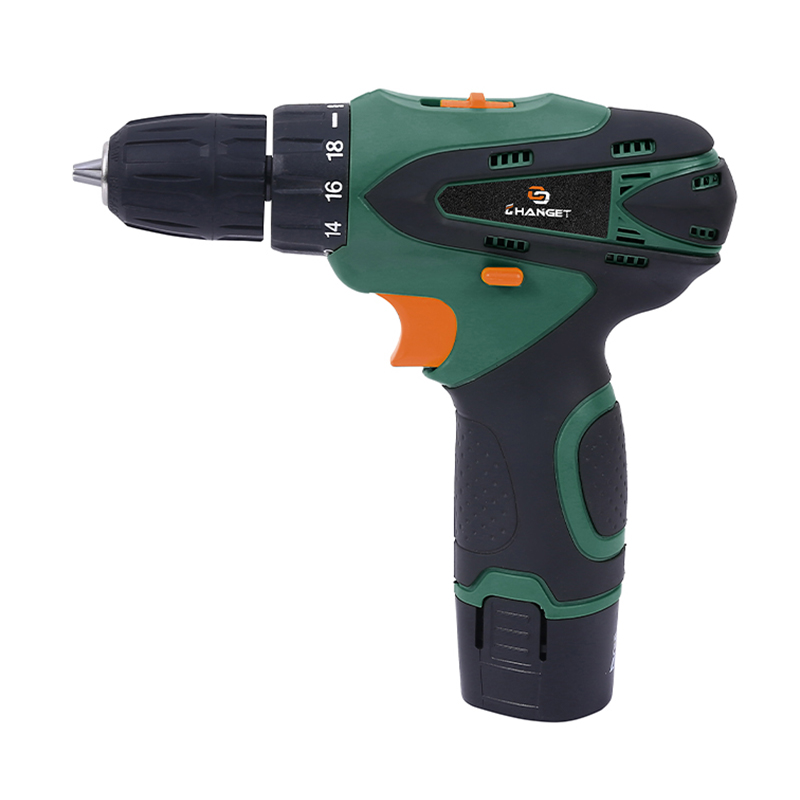
A cordless impact drill driver can look like a compact solution for two common workshop jobs: drilling holes and driving fasteners. Yet the term “impact drill driver” covers several tool designs, and their capabilities can vary considerably. Some models combine a conventional drill chuck with an impact-drilling function, while an impact driver normally uses a 1/4-inch hex collet and focuses heavily on fastening.
For buyers comparing a Cordless Impact Drill Driver, the key question is not simply whether the tool can rotate a bit. Chuck design, torque delivery, speed range, and impact function all determine how well it performs across different materials.
Drilling and Fastening Use Different Power Characteristics
Drilling generally benefits from smooth and controllable rotation. Fastening, particularly with long screws or larger bolts, may require short bursts of rotational force. An impact mechanism adds these bursts once resistance rises, helping the tool maintain rotation under heavier fastening loads.
- Drilling: steady RPM and suitable bit control are important for creating clean holes.
- Fastening: higher rotational force can help drive long screws and larger fasteners.
- Mixed applications: variable-speed control gives the operator more control during starting and finishing.
Chuck Design Defines Bit Compatibility
The chuck is a major distinction between drill drivers and dedicated impact drivers. A conventional drill may use a 3-jaw keyless chuck, allowing it to accept round-shank and hex-shank drill bits. A dedicated impact driver commonly uses a 1/4-inch hex quick-release collet.
| Feature | Drill/Driver Style | Impact Driver Style |
| Bit interface | Keyless chuck | 1/4-inch hex collet |
| Primary task | Drilling and controlled driving | Heavy fastening |
| Torque delivery | Continuous rotation | Rotational impact bursts |
| Bit range | Broad selection | Impact-rated hex bits |
Impact-Rated Accessories Matter
A tool with an impact mechanism should not automatically be paired with ordinary drill bits. Impact-rated accessories are designed to tolerate repeated loading from the mechanism. A 1/4-inch hex interface also limits the range of drilling accessories compared with a conventional drill chuck.
Torque Is Only Part of the Specification
Torque figures can make a cordless tool appear highly capable, but the number should be considered alongside RPM, IPM, gearbox configuration, and intended fastener size. Current products illustrate the wide range available. A Makita cordless impact driver, for example, lists up to 165 N·m of fastening torque, 2,900 RPM and 3,500 impacts per minute.
Other cordless drill-and-impact combinations use very different specifications. A 24V combination from Greenworks lists a drill/driver at 35 N·m and an impact driver at 300 N·m, demonstrating how differently the two mechanisms can be configured.
Where a Cordless Impact Drill Driver Makes Sense
A Cordless Impact Drill Driver becomes particularly useful for users who move between light drilling and repetitive fastening without wanting separate tools for every operation.
- Woodworking: drilling pilot holes and installing screws in timber.
- Cabinet installation: controlled driving is useful around panels and hardware.
- Construction: impact-assisted fastening can handle larger screws and dense engineered wood.
- General workshop use: variable speed and interchangeable accessories provide broader application coverage.
Check These Specifications Before Buying
A practical evaluation should go beyond the advertised torque figure. Buyers can compare the following specifications to understand whether a particular Cordless Impact Drill Driver matches the intended workload:
- Battery voltage and capacity, such as 18V or 24V platforms
- No-load speed and available speed settings
- Maximum torque and impact rate
- Chuck or collet type
- Maximum drilling diameter in wood, metal, or masonry
- Brushless or brushed motor configuration
- Tool weight with battery installed
One Tool or Two?
The answer depends on the balance between drilling and fastening tasks. A conventional drill driver remains highly versatile because its chuck accommodates a wider range of bits and its clutch provides controlled fastening. A dedicated impact driver brings stronger impact-assisted fastening characteristics and quick bit changes.
For mixed workloads, a Cordless Impact Drill Driver can provide useful flexibility, provided its chuck design, torque range, speed control, and accessory compatibility match the actual job. The right specification is therefore less about having the largest torque number and more about balancing drilling capability with fastening control.