

 English
 русский
 Español
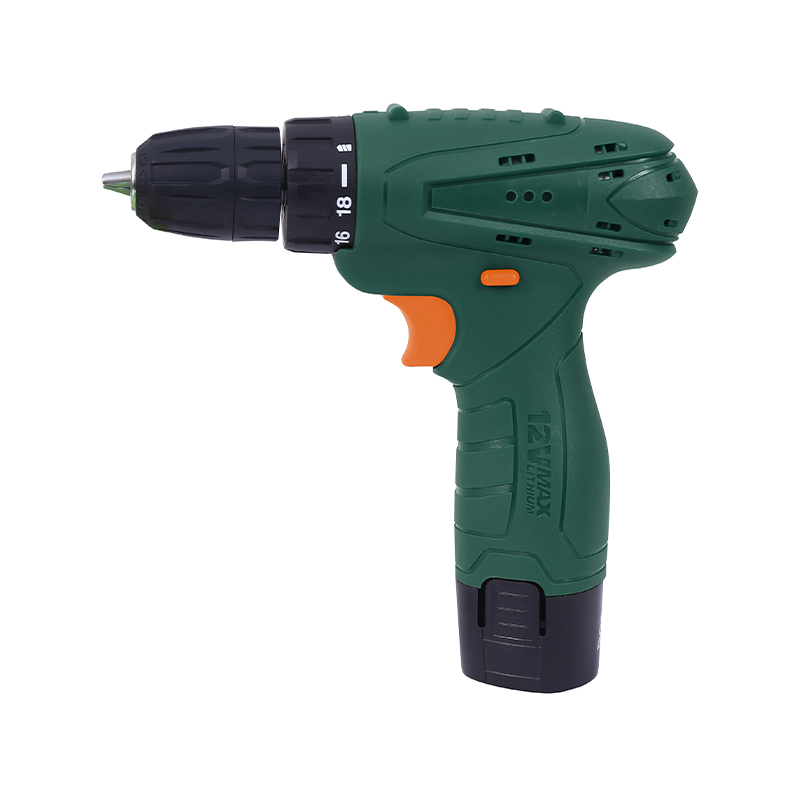
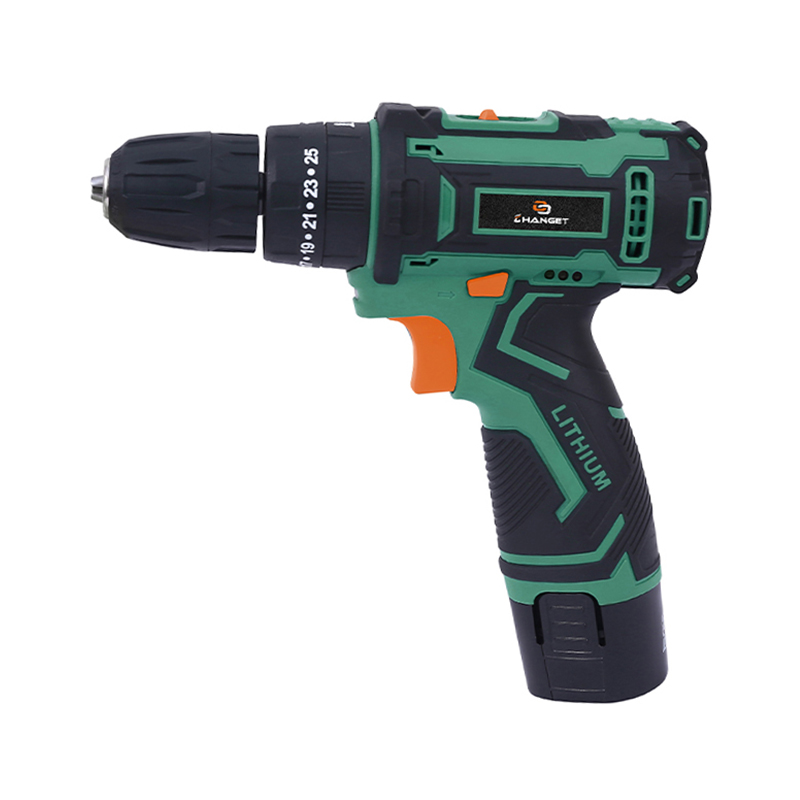
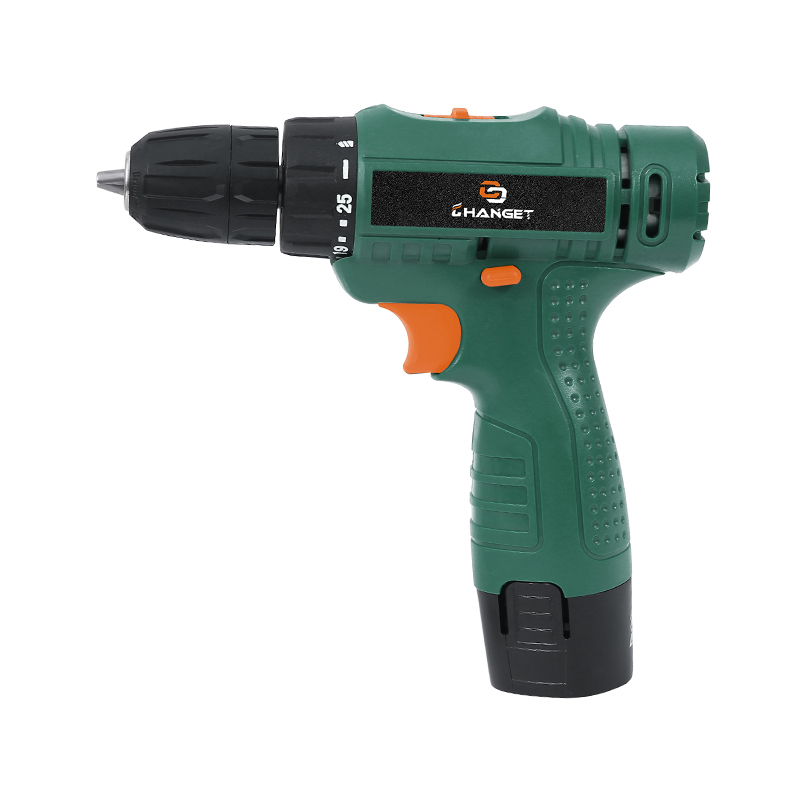
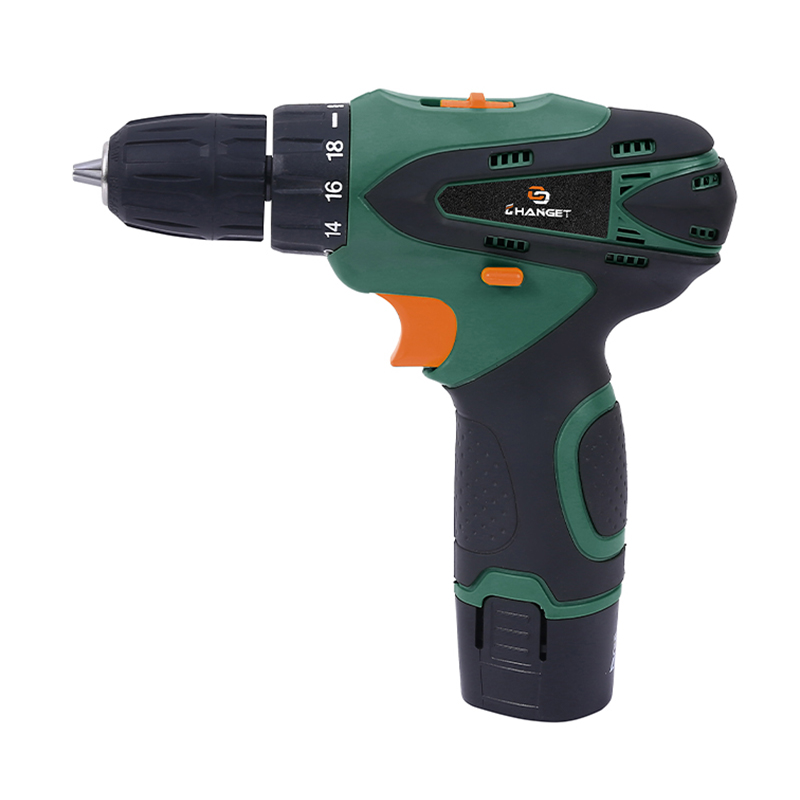
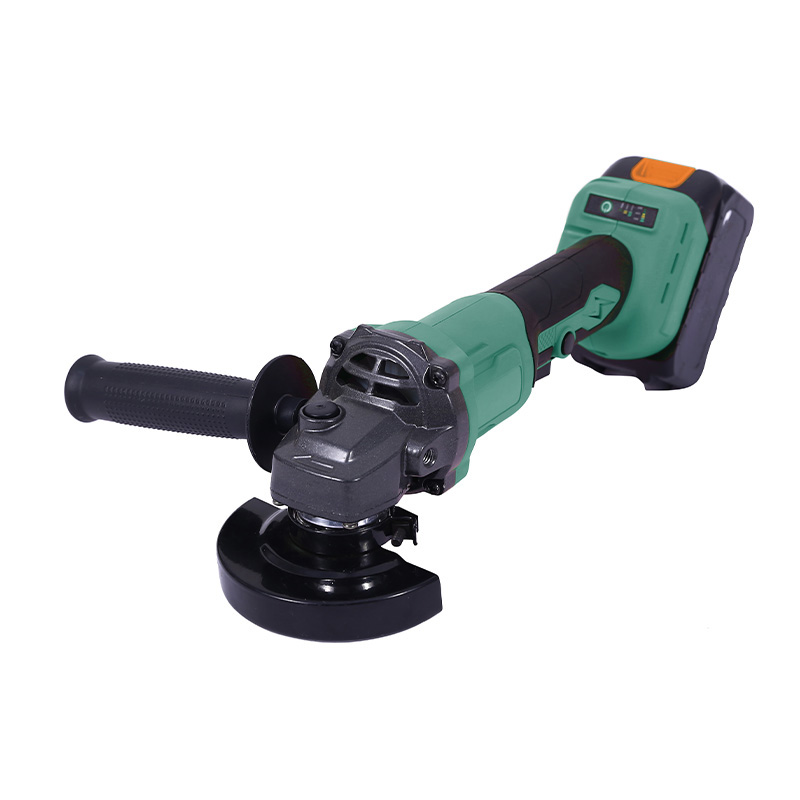
Lithium battery brushless cordless drills are popular power tools used for a wide range of applications, from home improvement projects to professional construction work. While these drills share several features, such as portability, ease of use, and efficient battery technology, there are notable differences in various aspects. These differences can affect performance, longevity, and suitability for specific tasks.
Power and Torque Capabilities
One of the most significant differences between lithium battery brushless cordless drills is the power and torque offered by various models. Power is typically measured in volts, and while most standard drills range from 12V to 20V, some advanced models can go higher, offering 40V or more for heavy-duty tasks. The voltage of the drill directly impacts its ability to drive screws and drill into tough materials such as metal, concrete, or hardwood.
Torque is another key factor influencing the performance of the drill. Torque refers to the rotational force the drill can apply. Drills with higher torque ratings are better suited for tough tasks, such as drilling large holes or driving large screws. In general, 18V to 20V drills are adequate for most home improvement and DIY projects, while higher torque drills (around 30Nm or more) are recommended for professional use or for materials requiring more force.
While a higher voltage and greater torque can improve performance, it is essential to balance these aspects with the user's needs. A drill with higher torque may be heavier, affecting comfort during prolonged use, so selecting the right balance of power and comfort is important.
Speed and Control Settings
Another key difference lies in the speed settings and control mechanisms of lithium battery brushless cordless drills. Speed is typically measured in revolutions per minute (RPM), and different drills offer varying ranges of speed. For example, some drills may operate at a single speed setting, while others offer multiple speed settings, allowing users to adjust the RPM based on the material and task.
Drills with variable speed settings (typically ranging from 0 to 2,000 RPM) allow users to select a lower speed for delicate or controlled work and a higher speed for quick, powerful drilling. The ability to control speed can make a drill more versatile, especially for tasks like driving screws or drilling in softer materials where too much speed may damage the surface.
In addition to speed, many drills offer variable torque settings, which allow users to adjust the level of force applied. This is useful when working with materials that require a delicate touch or when driving screws of different sizes. Having precise control over speed and torque helps ensure that the tool operates efficiently and reduces the risk of over-driving or damaging materials.
Ergonomics and Design
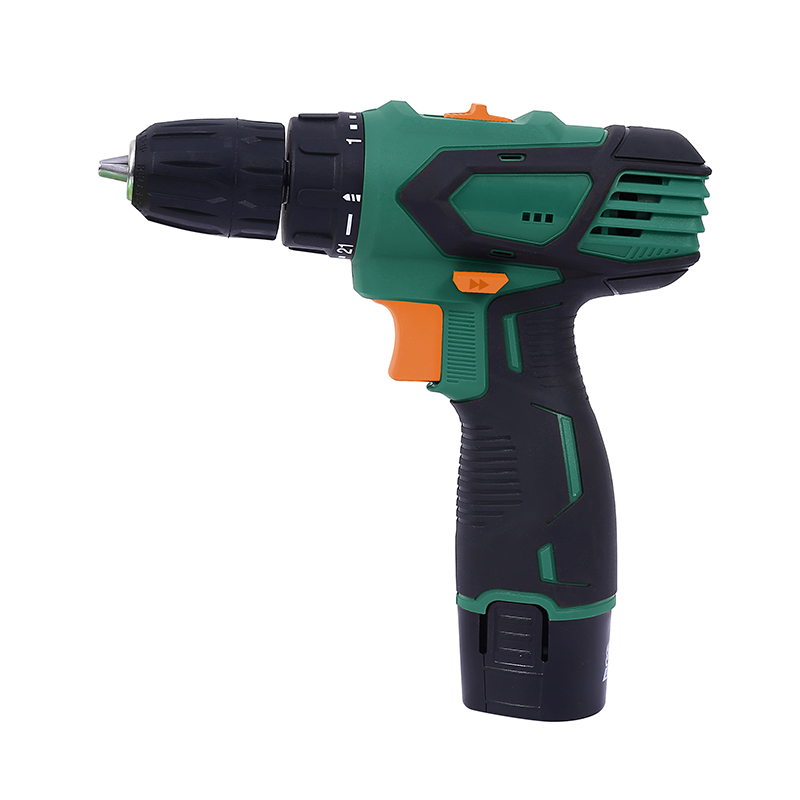
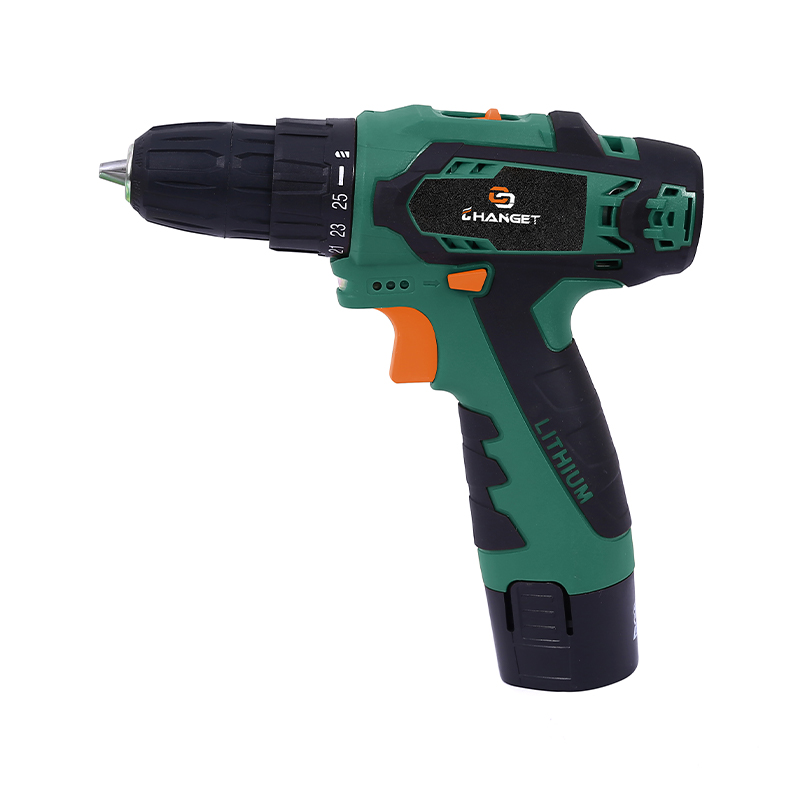
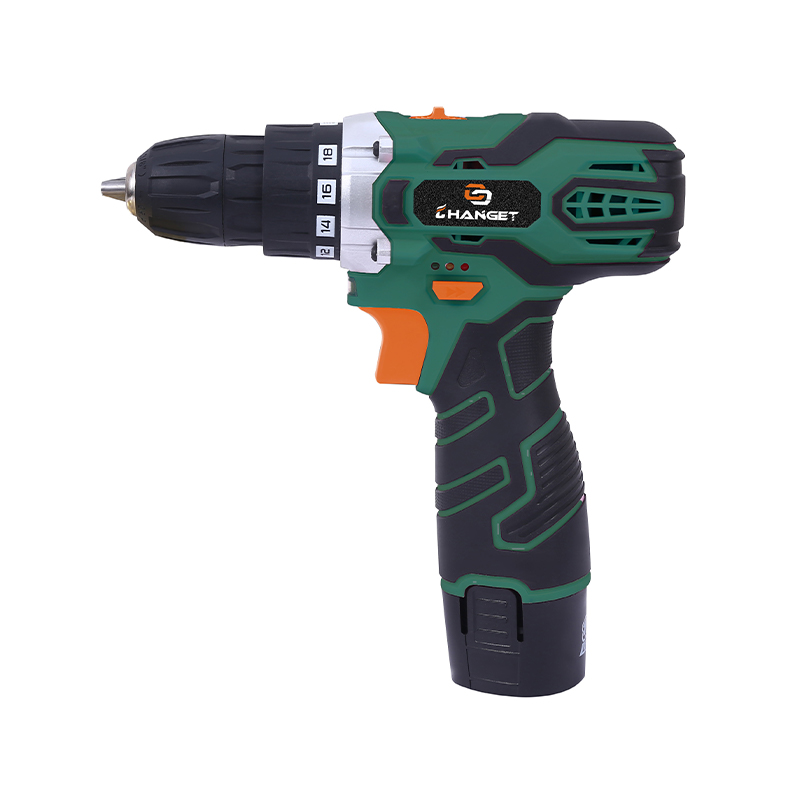
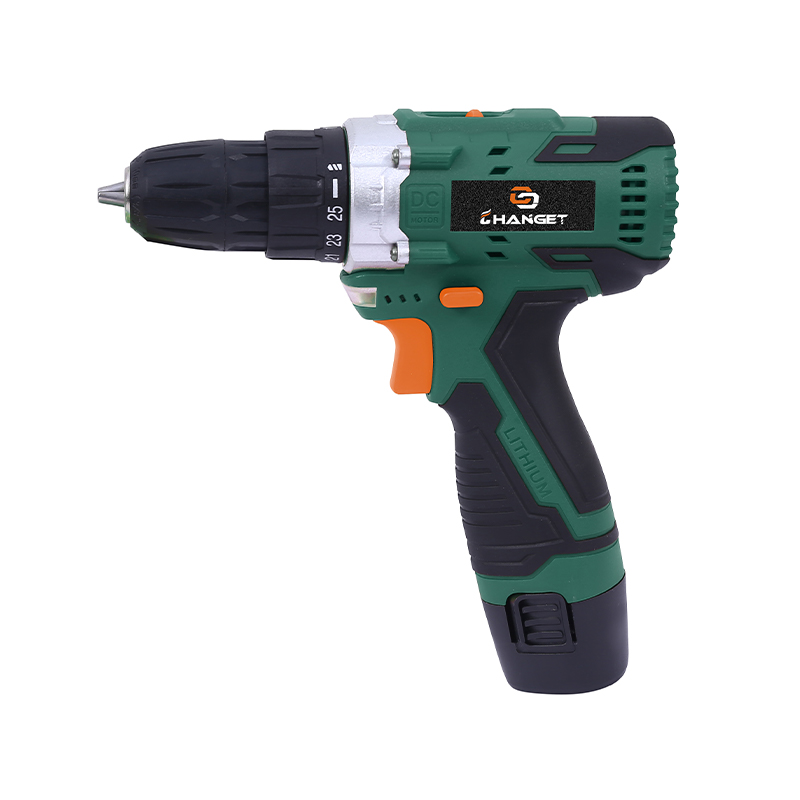
The design and ergonomics of a lithium battery brushless cordless drill play a significant role in its comfort and usability. The size, weight, and grip design of the drill impact how easy it is to maneuver and how comfortable it is to use for extended periods.
Lighter drills, typically weighing between 2 to 3 pounds, are easier to handle and reduce user fatigue. These are ideal for tasks that require overhead drilling or intricate control, such as installing cabinets or hanging pictures. On the other hand, heavier models, which often feature larger batteries or higher torque, can provide additional power but may cause discomfort during long sessions.
Ergonomics also affect how the drill fits in the user’s hand. Drills with contoured handles, soft-grip materials, and balanced weight distribution offer a more comfortable experience and better control. Features such as an anti-slip handle or an adjustable side handle also improve the stability of the tool, particularly during heavy-duty tasks.
For professionals or those who will be using the drill frequently, considering comfort and design is crucial to prevent strain and improve productivity.
Battery Life and Charging Time
The battery life and charging time are critical differences that can affect the performance of a lithium battery brushless cordless drill. Lithium-ion batteries are preferred due to their efficiency, longer lifespan, and ability to maintain consistent power output throughout their charge cycle. However, battery life can vary significantly depending on the capacity (measured in amp-hours, or Ah) and the overall design of the drill.
Drills with higher battery capacities (e.g., 2.0Ah, 4.0Ah) can last longer on a single charge, making them better suited for longer projects or frequent use. However, higher-capacity batteries may also make the drill heavier. A shorter battery life may not be a significant issue for occasional users, but professionals may prefer drills with long-lasting batteries to avoid downtime from charging.
Charging time is another consideration. While fast chargers can reduce the time needed to recharge the battery (typically within 30 minutes to 1 hour), some drills may require a longer period for a full charge. Some models also offer dual-battery systems, allowing one battery to be in use while the other charges, ensuring continuous operation without interruption.
Additional Features and Attachments
Beyond basic functionality, many lithium battery brushless cordless drills come with additional features that enhance their versatility and ease of use. Some drills come with integrated LED lights that illuminate the workspace, which can be helpful when working in dimly lit areas, such as under cabinets or in tight spaces.
Other models include a belt hook for easy tool storage during breaks, while some offer an adjustable clutch to prevent overdriving screws. Many drills come with interchangeable drill bits and impact driver attachments, allowing users to switch between drilling, driving, or impact driving tasks with minimal effort.
Some brands also offer specialized drills with features like anti-vibration systems to reduce hand strain during heavy drilling, or dust extraction systems that collect debris during operation. These additional features can increase the efficiency and comfort of the tool, making it a more adaptable solution for a range of tasks.