

 English
 русский
 Español
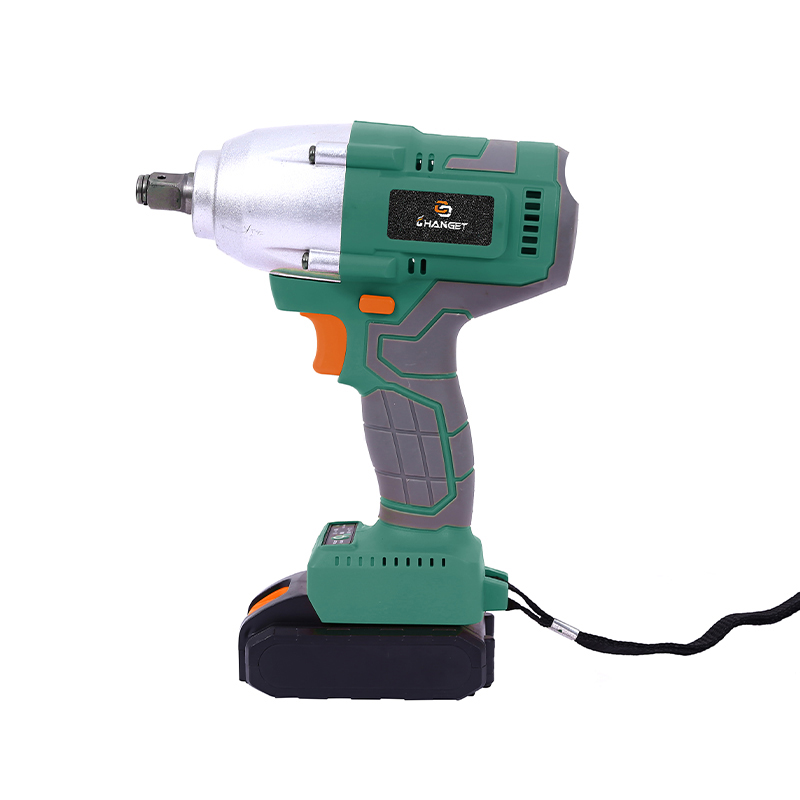
The high torque impact wrench is an essential tool used in automotive repair, industrial assembly, and construction applications. Designed to deliver rotational force efficiently, it allows users to tighten or loosen fasteners with less physical effort than manual tools.
Historical Emergence
The impact wrench appeared in the early 20th century, around the 1930s, as a response to the increasing demand for faster and more efficient fastening tools in industrial and automotive applications. Early models were pneumatically powered, relying on compressed air to deliver high torque with minimal user effort.
These initial tools were relatively large and heavy, designed primarily for factory use and specialized repair shops. They allowed mechanics to remove or tighten bolts that would have been difficult or time-consuming to handle manually. The high torque impact wrench quickly became an essential tool in automotive assembly lines, particularly during periods of industrial expansion when efficiency was a priority.
Mechanical Evolution
Over time, the mechanical design of high torque impact wrenches evolved to improve performance and usability. Early designs relied on a hammer-and-anvil mechanism that delivered short bursts of rotational force, which allowed users to loosen or tighten fasteners effectively.
As technology advanced, manufacturers refined the internal components to provide smoother operation, better torque control, and more consistent performance. Enhancements included improved hammer mechanisms, durable bearings, and optimized anvil shapes, all of which contributed to more efficient energy transfer and reduced wear on the tool. This mechanical evolution allowed high torque impact wrenches to handle a wider range of applications, from light automotive work to heavy industrial assembly.
Development of Power Sources
Initially, high torque impact wrenches were powered exclusively by compressed air, which provided reliable and consistent energy for industrial settings. However, the reliance on air compressors limited mobility and required additional equipment.
In response, electric and battery-powered impact wrenches emerged. Corded electric models allowed users to operate the tool without a compressor, making it more practical for workshops and smaller facilities. Later, lithium-ion battery technology enabled cordless high torque impact wrenches, offering portability and convenience for field work, construction sites, and remote locations. Each power source development expanded the versatility and accessibility of impact wrenches, allowing them to meet a broader range of user needs.
Design Improvements and Ergonomics
Design improvements have been a significant factor in the development of high torque impact wrenches. Early models were heavy, bulky, and sometimes difficult to control during extended use. Manufacturers gradually introduced ergonomic features such as cushioned grips, balanced weight distribution, and variable speed triggers to improve comfort and reduce user fatigue.
Noise reduction and vibration control also became priorities in later designs. By vibrations and controlling torque delivery, modern high torque impact wrenches allow users to work for longer periods without strain. Additional features such as torque adjustment settings, LED lights, and brushless motors enhance usability and precision, making these tools suitable for a variety of applications from automotive repair to heavy machinery assembly.
The high torque impact wrench has undergone significant development since its introduction in the early 20th century. Its historical emergence addressed the need for faster and more efficient fastening in industrial and automotive environments. Mechanical evolution improved the efficiency and durability of internal components, while advancements in power sources—from pneumatic to electric and battery-powered models—expanded the tool's versatility. Design improvements, including ergonomics, vibration control, and user-friendly features, have enhanced comfort and precision during operation. By considering these four aspects, it is clear that the high torque impact wrench has developed from a specialized industrial tool into a versatile and practical device used across multiple industries.