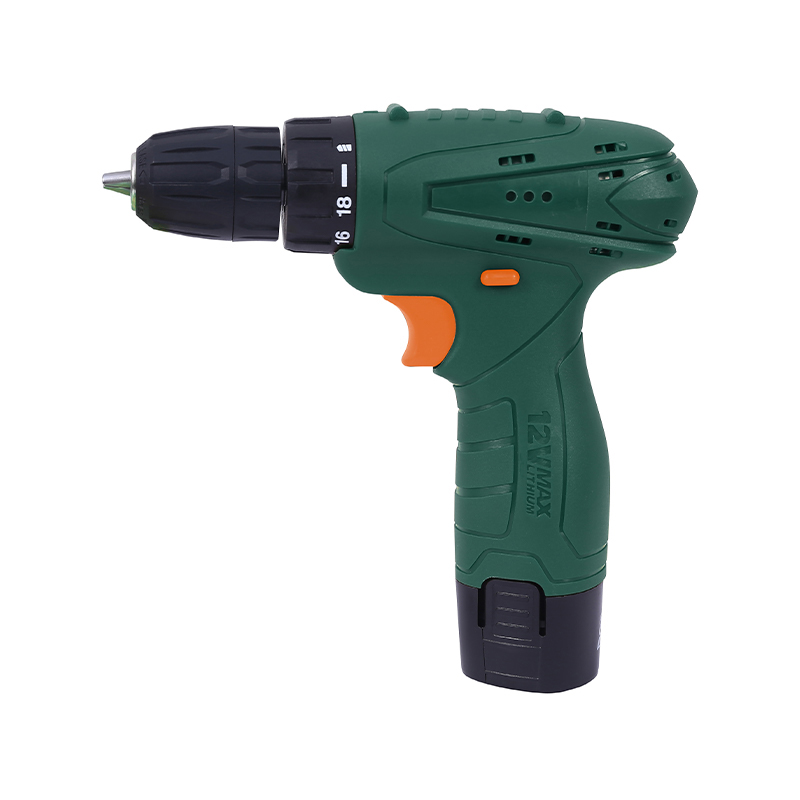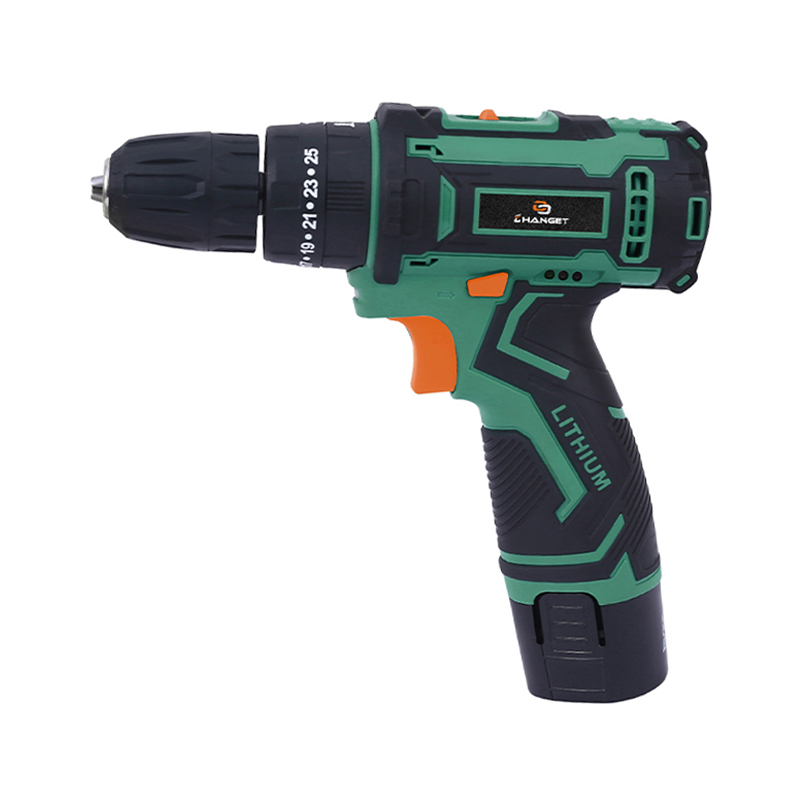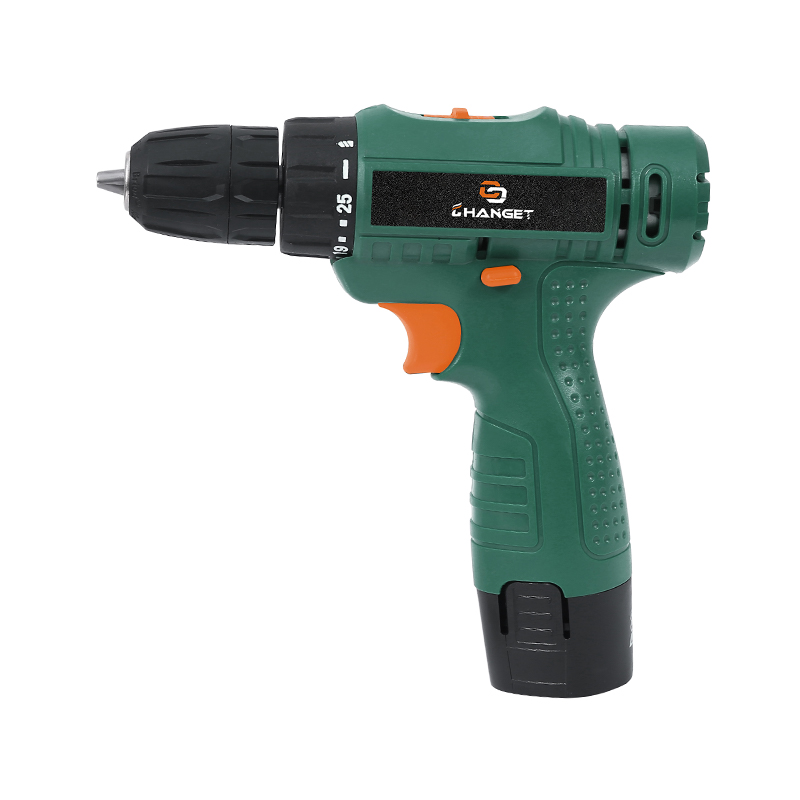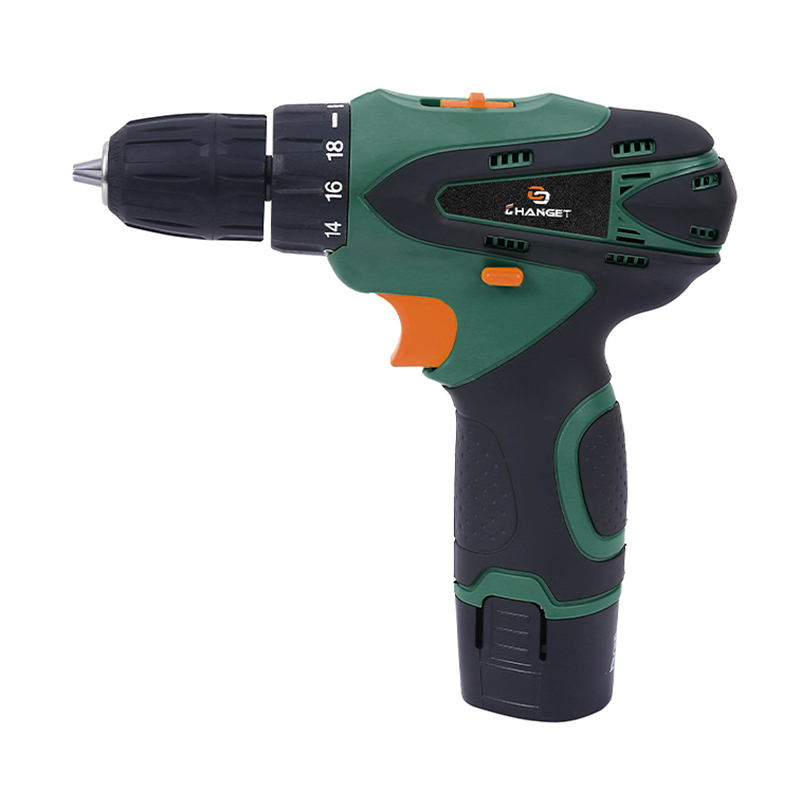


 English
 русский
 Español
Content
- 1 1. Why Does Torque Consistency Matter in Screwdriver Procurement?
- 2 2. How Does a Brushless Motor Support Stable Fastening?
- 3 3. Torque Adjustment Is Essential for Different Materials
- 4 4. What Should Buyers Check During Quality Evaluation?
- 5 5. How Can Buyers Compare Suppliers More Effectively?
- 6 6. Chenge's Approach to Cordless Screwdriver Sourcing
- 7 Frequently Asked Questions
Fastening quality is closely connected to torque control. During repeated assembly operations, inconsistent tightening can cause loose connections, damaged threads, excessive compression, and product quality issues. These risks make torque consistency an important consideration for distributors, importers, and industrial equipment buyers evaluating a brushless cordless screwdriver.
At Chenge, we understand that professional buyers need more than a cordless tool with a high-speed motor. They also need stable fastening performance, suitable torque adjustment, and reliable operation across different working conditions. Understanding these factors helps purchasing teams compare suppliers and identify tools that match their customers' actual applications.
1. Why Does Torque Consistency Matter in Screwdriver Procurement?
Torque refers to the rotational force applied to a screw or fastener during tightening. An unsuitable torque level can affect the connection between components and the overall assembly result.
Common problems associated with inconsistent torque include:
- Under-tightening: Fasteners may loosen during equipment operation or transportation.
- Over-tightening: Excessive force can damage screw heads, threads, or connected materials.
- Assembly variation: Different tightening results can create quality differences between production batches.
- Rework expenses: Incorrect fastening may require additional inspection, adjustment, or component replacement.
For distributors supplying workshops, furniture manufacturers, equipment assemblers, and maintenance teams, these issues can influence customer satisfaction and repeat purchasing decisions.
2. How Does a Brushless Motor Support Stable Fastening?
A brushless motor uses electronic commutation rather than traditional carbon brushes. This design reduces brush-related friction and wear while supporting controlled motor operation.
Several characteristics are worth considering during supplier evaluation:
Reduced Mechanical Wear
Without carbon brushes requiring regular replacement, brushless motors can reduce certain maintenance requirements. This is useful for customers who operate cordless screwdrivers frequently or manage multiple tools across assembly stations.
Controlled Speed Operation
Motor speed affects how quickly a fastener approaches its seating point. Suitable speed control helps operators manage different fastening stages, particularly with materials that require careful tightening.
Heat Management
Motor efficiency and thermal design influence operating temperature during repeated use. Buyers should review the manufacturer's operating recommendations and protection arrangements rather than assuming that a brushless design eliminates heat-related concerns.
3. Torque Adjustment Is Essential for Different Materials
Different fastening applications require different torque settings. A screw driven into softwood does not necessarily require the same tightening force as a fastener used in metal components or plastic housings.
A cordless screwdriver with adjustable torque settings gives operators greater flexibility across different tasks.
| Application | Typical Torque Consideration | Procurement Focus |
| Furniture assembly | Avoiding excessive compression and material damage | Adjustable clutch settings |
| Metal component assembly | Maintaining suitable fastener tightness | Torque range and repeatability |
| Plastic enclosure assembly | Reducing thread stripping risks | Low-torque adjustment |
| Workshop maintenance | Handling different screw sizes | Speed and torque flexibility |
At Chenge, we recommend that buyers compare the available torque adjustment range with the fastener sizes and materials commonly handled by their target customers.
4. What Should Buyers Check During Quality Evaluation?
A torque specification on a product datasheet does not provide a complete picture of real operating consistency. Procurement teams should also consider how the tool performs during repeated fastening tests.
We suggest reviewing the following points:
- Torque range: Confirm the available adjustment range and whether it covers the intended fastening applications.
- Clutch operation: Check whether the clutch responds consistently at different torque settings.
- Speed adjustment: Review variable-speed control and trigger response.
- Forward and reverse functions: Verify smooth switching between tightening and loosening operations.
- Repeated testing: Request test information showing torque performance across multiple fastening cycles.
- Battery condition: Check whether operating performance remains suitable across the recommended battery charge range.
Torque results can also vary with screw dimensions, joint stiffness, bit condition, and operator technique. A calibrated torque analyzer and a controlled test procedure provide a more meaningful evaluation than a single tightening demonstration.
5. How Can Buyers Compare Suppliers More Effectively?
Supplier evaluation should cover both product specifications and quality management arrangements. A low quotation may not represent good purchasing value when torque performance, replacement parts, or technical documentation remain unclear.
Before confirming an order, buyers can request:
- Detailed motor and torque specifications.
- Information about clutch design and adjustment methods.
- Repeated tightening test records, where available.
- Battery voltage and compatible charger specifications.
- Warranty coverage and replacement component information.
- User manuals and relevant product compliance documents.
Sample testing is also valuable. Buyers can use representative screws and materials from their intended applications to assess handling, fastening consistency, and operating comfort before arranging larger purchasing programs.
6. Chenge's Approach to Cordless Screwdriver Sourcing
At Chenge, we believe cordless screwdriver procurement should balance motor performance, torque adjustment, operating comfort, and product reliability. A brushless motor is an important design consideration, but it should be evaluated together with the clutch mechanism and the complete fastening system.
Our discussions with buyers focus on three practical areas:
- Application requirements: Understanding screw sizes, material types, tightening frequency, and expected working conditions.
- Technical configuration: Reviewing torque adjustment, speed control, battery specifications, and accessory compatibility.
- Purchasing support: Clarifying product documentation, packaging arrangements, warranty conditions, and replacement part availability.
These considerations help importers and distributors assess whether a cordless screwdriver can serve their intended customer groups and support their product portfolios.
Torque consistency is an important factor in cordless screwdriver sourcing because it directly affects fastening quality, assembly results, and customer experience. Brushless motor technology offers benefits in motor design and maintenance, while clutch adjustment, speed control, and repeated testing remain essential parts of product evaluation.
At Chenge, we encourage professional buyers to look beyond motor type and rated speed. Reviewing actual torque requirements, product construction, and supplier quality information provides a clearer basis for purchasing decisions.
Frequently Asked Questions
1. Does a Brushless Motor Guarantee Consistent Torque?
No. A brushless motor can support controlled operation and reduce brush-related wear, but torque consistency also depends on the clutch mechanism, electronic control, battery condition, and fastening materials.
2. What Is the Difference Between Torque and Speed in a Cordless Screwdriver?
Torque describes rotational force, usually measured in Newton-metres (N·m), while speed describes rotational frequency, commonly measured in revolutions per minute (RPM). Both affect fastening performance but serve different functions.
3. How Can Importers Verify Torque Performance Before Purchasing?
Importers can request technical specifications and repeated tightening test records, then conduct sample evaluations using a calibrated torque analyzer and representative fasteners.
4. Why Is Adjustable Torque Important for Different Materials?
Wood, metal, and plastic components have different fastening requirements. Adjustable torque settings help operators control tightening force and reduce the risk of damaging screws or workpieces.