

 English
 русский
 Español
A brushless electric impact wrench is a power tool designed to deliver high torque output for fastening and loosening bolts and nuts. It is commonly used in automotive repair, construction, machinery maintenance, and assembly lines. Unlike brushed motors, brushless motors rely on electronic controllers rather than carbon brushes to regulate current flow. This design improves efficiency and reduces mechanical wear.
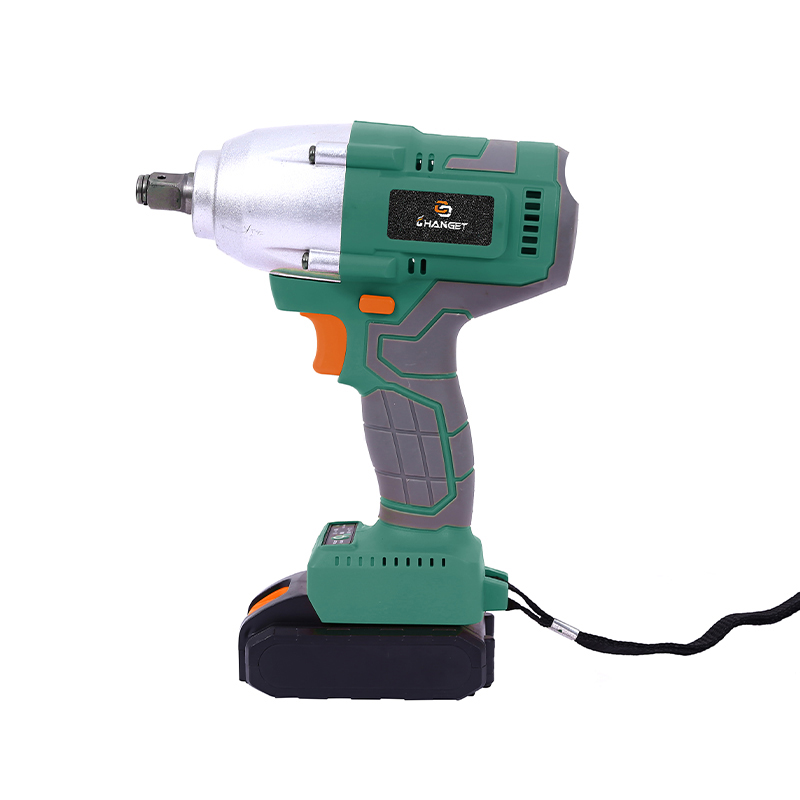
Processes Involved in the Formation of a Brushless Electric Impact Wrench
The manufacturing of a brushless electric impact wrench involves coordinated processes that combine mechanical engineering, electronics assembly, and material fabrication.
Motor and Electronic System Production
Brushless Motor Manufacturing:
The stator is formed by stacking laminated steel sheets to reduce energy loss.
Copper windings are inserted into the stator slots to generate electromagnetic fields.
The rotor contains permanent magnets positioned precisely to ensure balanced rotation.
Electronic Control Unit (ECU):
A printed circuit board (PCB) is assembled with microcontrollers and power transistors.
The controller regulates motor speed and torque by adjusting current flow.
Sensors monitor rotor position for synchronized motor operation.
These components are tested individually before integration to ensure consistent electrical performance.
Impact Mechanism and Mechanical Assembly
Hammer and Anvil Fabrication:
The impact mechanism is typically made from hardened alloy steel.
Precision machining ensures accurate alignment and smooth impact transfer.
Gear Train Assembly:
Planetary gears reduce motor speed and increase torque output.
Components are lubricated to reduce friction and heat generation.
Housing Production:
Outer casing is molded from high-strength plastic or composite material.
Metal reinforcement may be added in high-stress areas.
Final Assembly and Quality Control
Component Integration:
Motor, gear system, and impact assembly are installed within the housing.
Wiring connections link the motor to the electronic controller and battery interface.
Performance Testing:
Tools are tested for torque output, speed control, and vibration levels.
Safety inspections verify insulation and electrical reliability.
These steps ensure that each unit meets mechanical and electrical standards before distribution.
Problems with Brushless Electric Impact Wrench
Although brushless electric impact wrenches offer efficiency and reduced mechanical wear, certain limitations and operational issues may arise.
Electronic System Vulnerabilities
Controller Failure:
Electronic control units may malfunction due to overheating or voltage fluctuations.
Damaged circuit boards can bring about inconsistent motor performance.
Sensor Malfunction:
Faulty rotor position sensors may disrupt synchronized motor operation.
Performance irregularities can result in reduced torque accuracy.
Battery Dependency:
Performance is directly linked to battery condition and capacity.
Degraded batteries may reduce runtime and torque consistency.
Mechanical Wear and Maintenance
Impact Mechanism Fatigue:
Repeated high-torque impacts cause gradual wear on the hammer and anvil.
Insufficient lubrication may accelerate component degradation.
Gear Wear:
Continuous operation under heavy load may cause gear tooth wear.
Improper maintenance can increase internal friction and noise.
Overheating Risks:
Extended high-load use may generate excessive heat.
Thermal stress can affect both mechanical and electronic components.
Operational and Cost Considerations
Higher Initial Cost:
Brushless technology and electronic systems increase production cost.
Replacement parts may be more expensive than brushed tool components.
Repair Complexity:
Electronic failures often require specialized diagnostic tools.
Field repairs may not be practical without manufacturer support.
Weight Distribution:
Battery packs may add weight to the handle area.
Extended use can cause operator fatigue if not ergonomically balanced.
These issues highlight the importance of proper usage, routine maintenance, and quality manufacturing standards.
The formation of a brushless electric impact wrench involves coordinated processes, including brushless motor production, electronic controller assembly, impact mechanism machining, and structured quality testing. These manufacturing stages integrate mechanical strength with electronic precision. However, challenges such as electronic vulnerabilities, mechanical wear, battery dependency, and repair complexity can affect performance over time. Understanding both production processes and potential problems provides a balanced perspective on the practical application of brushless electric impact wrenches in professional and industrial environments.