

 English
 русский
 Español
Content
This question appears often among new users who want practical guidance on tool operation and safety.
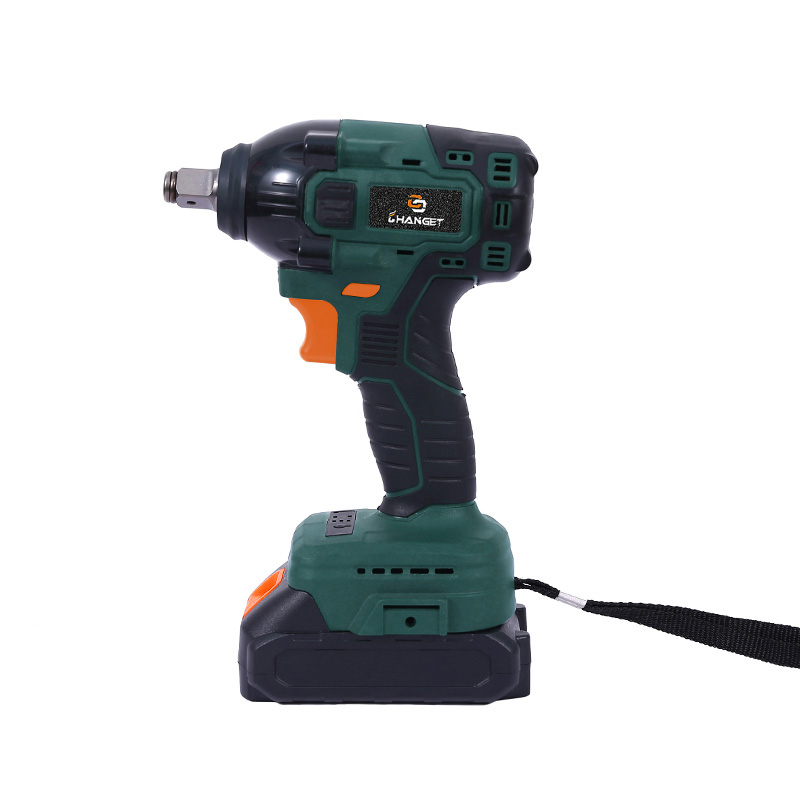
Key Setup and Usage Points:
Choose the Right Sockets:
Use impact-rated sockets designed to handle high torque loads safely. Standard hand-tool sockets may shatter under stress and pose a hazard.
Direction and Torque Settings:
Many cordless wrenches allow you to switch between forward (tightening) and reverse (loosening) directions.
Some models have variable torque or speed settings to help adapt the tool's output to the task.
Battery Preparedness:
Ensure batteries are fully charged and compatible with the tool's voltage platform. A drained battery reduces torque output and runtime. This is a common concern among users who report performance drops with low battery charge.
These points help users get correct results and reduce the risk of improper use.
Why Might My Cordless Wrench Not Fit Certain Sockets?
This practical question is commonly raised when users encounter impact wrench accessories.
Drive Size Compatibility:
Impact wrenches have a square drive—often 1/2 inch or 3/8 inch—that accepts sockets of the corresponding size.
Some sockets from ratchets or other tools may not seat properly on an impact's square anvil because of design differences. Impact wrenches often require sockets with a metal ring or pin hole to secure them in place.
Impact vs. Standard Sockets:
Standard sockets made for hand tools may not fit snugly or may not be constructed to handle the percussive torque. Users often find that "regular" sockets don't seem to fit or break quickly because they are not rated for impact use.
Matching socket size and type to the cordless wrench ensures secure tool-to-fastener engagement.
What Common Problems Do Users Experience with Cordless Wrenches?
This question reflects widespread user attention toward performance issues and maintenance.
Battery and Power-Related Issues
Battery Life Limits:
Cordless wrenches rely on rechargeable batteries. Under extended or heavy use, battery capacity may be consumed quickly, requiring frequent recharges or spare batteries.
Lower Power Than Specific Tools:
Some cordless models do not match the continuous torque capacity of corded or pneumatic models. In industrial settings where high torque is consistently required, corded or pneumatic tools are still used.
Mechanical and Thermal Issues
Overheating:
Continuous heavy use can cause overheating. Restricted airflow or debris in the motor vents further contributes to heat build-up, which may reduce motor life over time. Regular cleaning and proper ventilation help manage heat.
Internal Wear:
Bearings, gears, and the hammer mechanism inside the wrench can wear with frequent use. Noise or reduced performance may indicate the need for inspection or service.
Usage Challenges
Over-tightening Fasteners:
Because impact wrenches deliver torque in percussive bursts, there is a risk of over-tightening bolts and damaging threads. Users often need to follow up with a torque wrench to ensure correct tension.
Incorrect Accessory Use:
Using sockets not rated for impact can bring about shattering or injury, a widely noted safety concern.
These issues highlight that while cordless wrenches provide convenience and mobility, proper use and maintenance remain important to performance and safety.
How Do I Choose the Right Cordless Wrench for My Needs?
Selecting an appropriate tool is a frequent concern in online searches.
Torque and RPM:
Consider torque output and impact rate (impacts per minute) relative to the fasteners you will be working with. Higher torque tools handle larger bolts more effectively.
Battery Platform Compatibility:
Check that the battery type matches your existing tool ecosystem if you have other cordless tools from the same brand or voltage group.
Ergonomics and Balance:
Tool balance and grip design influence user comfort, particularly during extended use. Battery placement affects center of gravity and fatigue.
Matching tool characteristics to the tasks commonly performed helps ensure efficient usage and tool longevity.