

 English
 русский
 Español
High torque impact wrenches are categorized primarily by their power source, as this fundamental characteristic determines their performance, portability, and typical applications. Each type has distinct advantages and limitations that make it suitable for different work environments.
Pneumatic Impact Wrenches:
These tools are powered by compressed air and have been the industry standard for decades in professional automotive shops and industrial settings.
They offer the higher power-to-weight ratio of any type, delivering substantial torque from a relatively lightweight package.
Pneumatic wrenches have few moving parts and no internal heat-generating components, which contributes to their durability and long service life.
They require a consistent supply of compressed air, which means they are tethered to an air compressor by a hose. The compressor itself must be sized appropriately to deliver sufficient volume and pressure.
Common drive sizes include 1/2-inch, 3/4-inch, and 1-inch, with torque outputs ranging from 300 ft-lbs for smaller models to over 2,000 ft-lbs for industrial versions.
Electric Corded Impact Wrenches:
These tools draw power directly from an electrical outlet, eliminating the need for an air compressor.
They provide consistent power without the declining performance that can occur as a battery discharges.
Corded electric wrenches are typically heavier than their pneumatic equivalents because they contain a motor powerful enough to generate impact forces directly.
They are suitable for workshops with reliable electrical access but are limited by cord length and the need for nearby outlets.
These tools are less common in professional automotive settings today but remain available for specific applications.
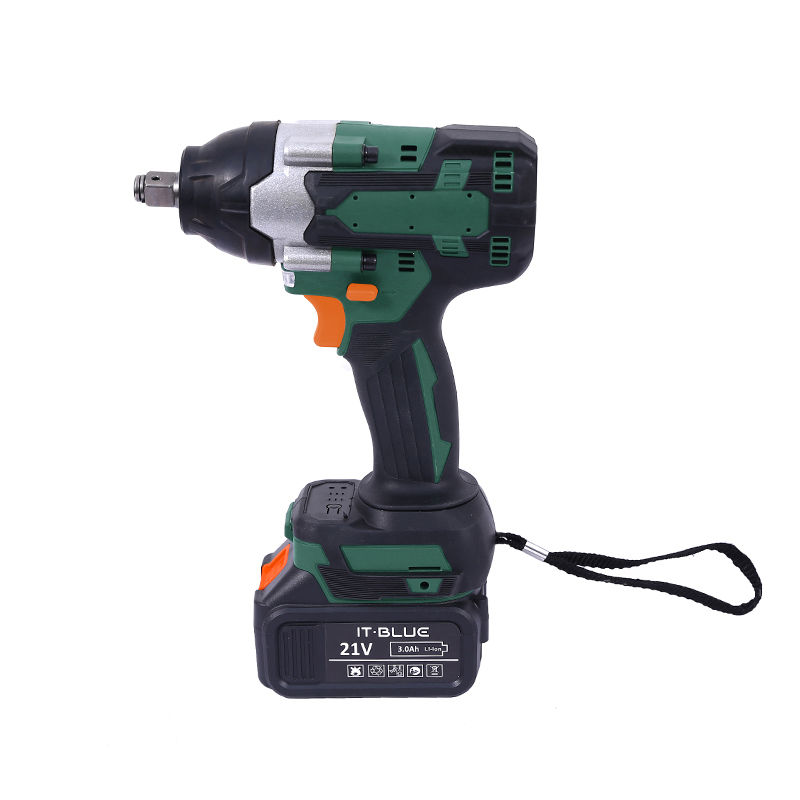
Cordless Battery-Powered Impact Wrenches:
Powered by rechargeable lithium-ion battery packs, these tools offer portability and have seen dramatic performance improvements in recent years.
Modern high torque cordless impact wrenches can deliver torque outputs exceeding those of many pneumatic tools, with some models producing over 1,500 ft-lbs of nut-busting torque.
They operate without hoses or cords, making them suitable for remote locations, roadside repairs, and jobsites without power access.
Battery technology has advanced to provide longer runtime and faster charging, though heavy use may require multiple batteries.
The tool weight includes the battery, which can make them slightly heavier than pneumatic equivalents, though the difference has narrowed with modern designs.
Hydraulic Impact Wrenches:
These specialized tools are powered by hydraulic fluid under pressure and are used primarily in heavy industrial applications, mining, and large-scale construction.
They can deliver high torque outputs, often exceeding 10,000 ft-lbs, for tasks such as assembling heavy equipment or structural steel.
Hydraulic systems require a power unit to pressurize the fluid, making this type impractical for general automotive work but essential for specific heavy-duty applications.
Why Is the High Torque Impact Wrench Worth Buying?
Investing in a high torque impact wrench represents a significant expense, but the value it provides in terms of time savings, physical effort reduction, and expanded capabilities justifies the cost for many users.
Efficiency and Time Savings
The primary value of a high torque impact wrench lies in its ability to complete tasks rapidly. A fastener that might take minutes of effort with hand tools can be removed or installed in seconds with an impact wrench. This efficiency translates directly into labor savings for professionals who bill by the hour or complete multiple fastening tasks daily. In automotive repair, for example, removing lug nuts from all four wheels takes approximately 30 seconds with an impact wrench compared to several minutes with a hand wrench. Over the course of hundreds of service appointments, this time saving accumulates significantly.
Reduction of Physical Strain
Repeated use of hand tools on stubborn fasteners places considerable stress on the user's hands, wrists, and arms. Impact wrenches absorb the reactive torque that would otherwise transfer to the user's body. Instead of applying continuous force, the user simply holds the tool while the impact mechanism does the work. This reduction in physical exertion decreases fatigue during long workdays and lowers the risk of repetitive strain injuries over a career. For users with limited hand strength or arthritis, an impact wrench makes many tasks accessible that would otherwise be difficult or impossible.
Access to Difficult Fasteners
Many fasteners in vehicles and machinery are located in positions where manual tools cannot generate sufficient leverage. Rusted, corroded, or overtightened fasteners often resist removal by hand, bring about damaged knuckles and stripped heads. High torque impact wrenches deliver repeated rotational impacts that can break loose even severely seized fasteners. The hammering action is often more effective at overcoming static friction than steady torque applied by a breaker bar.
Versatility Across Applications
A single high torque impact wrench can handle a wide range of tasks when equipped with appropriate sockets and accessories. The same tool that removes lug nuts from trucks can also drive large lag bolts into lumber, break loose suspension components, or assemble industrial equipment. This versatility means that one investment serves multiple purposes, reducing the need for specialized tools for each task.
Professional Expectations
In many trades, particularly automotive repair and heavy equipment maintenance, the impact wrench is not merely an accessory but an expected standard tool. Shops that lack these tools operate at a competitive disadvantage because they cannot match the speed of facilities equipped with impact wrenches. For professionals, owning a reliable high torque impact wrench is essential for meeting productivity expectations.
How Is the High Torque Impact Wrench Designed?
The design of a high torque impact wrench involves careful engineering to balance power, durability, weight, and user comfort. Several key systems work together to convert the input energy into the high-torque impacts that characterize these tools.
The Motor and Power Transmission
The motor converts electrical, pneumatic, or hydraulic energy into rotational motion. In cordless tools, this is a brushless electric motor containing neodymium magnets and copper windings. The brushless design eliminates physical contacts that would wear over time, improving efficiency and longevity. The motor spins a rotating mass that stores kinetic energy, which is then transferred to the output mechanism.
Between the motor and the impact mechanism, a set of planetary gears reduces the rotational speed while multiplying the torque. These gear trains typically use multiple stages, with each stage consisting of a sun gear, planet gears, and a ring gear. The gears are manufactured from hardened steel alloys to withstand the repeated shock loads generated during impact events.
The Impact Mechanism
The impact mechanism is the defining feature of these tools. Two primary designs exist: the twin hammer mechanism and the pin clutch mechanism.
In the twin hammer design, two hammers rotate with the motor and are thrown outward by centrifugal force. When resistance at the output shaft exceeds a threshold, the hammers engage with anvils, delivering a rotational impact. The hammers then disengage and are re-cocked by springs or gravity for the next impact cycle. This design produces multiple impacts per revolution and is common in high torque tools.
In the pin clutch design, a spring-loaded pin engages with notches in the output shaft. When rotational resistance builds, the pin disengages and then re-engages with an impact. This simpler design is often found in smaller impact wrenches but may not deliver the higher torque outputs.
The anvil, which receives the impacts and transfers them to the socket, is forged from high-strength steel and often heat-treated for wear resistance. The shape of the anvil determines which socket retention system the tool uses, such as a detent pin or hog ring.