

 English
 русский
 Español
Content
Choosing the Right Voltage for the Task at Hand
Cordless small drills are classified by their battery voltage, which directly affects torque and runtime. The most common voltage classes for household use are 12 V, 18 V, and 20 V (the latter often labeled as 20 V max, which is essentially the same as 18 V nominal). A 12 V drill produces between 20 and 35 Nm of torque, sufficient for drilling holes up to 10 mm in diameter in softwood and 6 mm in mild steel. It is also adequate for driving screws up to 4.5 mm diameter into softwood. An 18 V drill delivers 45 to 60 Nm of torque, handling holes up to 13 mm in softwood, 10 mm in hardwood, and 8 mm in steel. For most household tasks—hanging picture hooks, assembling flat-pack furniture, or drilling into drywall—a 12 V drill is sufficient. For tasks involving dense materials like hardwood flooring, masonry (with a hammer drill function), or driving long deck screws, an 18 V drill provides a noticeable improvement in speed and reduced stalling.
Chuck Type and Bit Retention
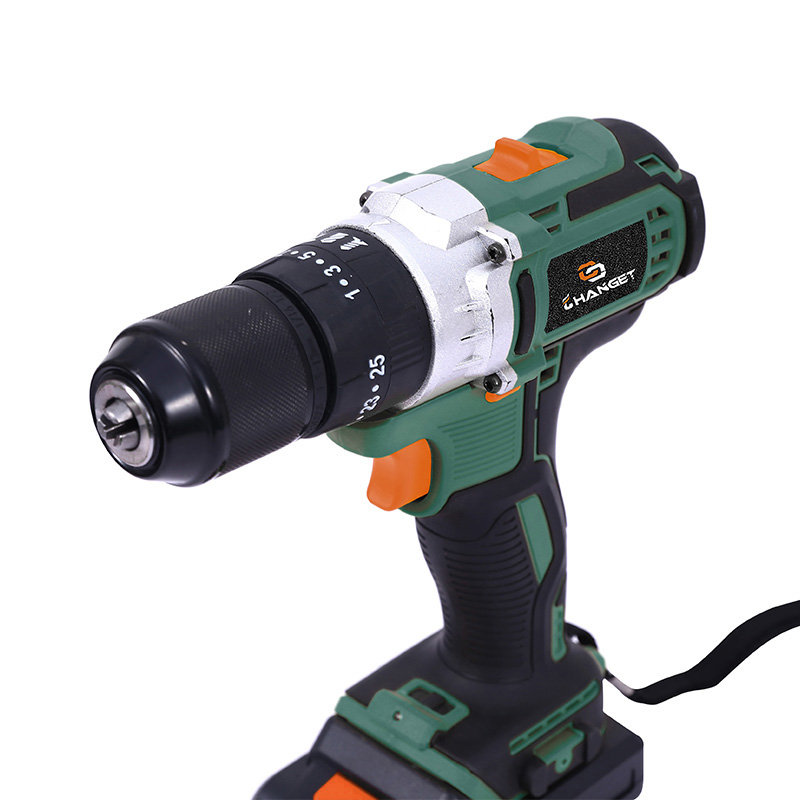
The chuck is the mechanism that holds the drill bit. Many cordless drills today use a keyless chuck, which is tightened and loosened by hand. Keyless chucks on 12 V drills typically accept bits up to 10 mm diameter; 18 V chucks accept bits up to 13 mm. A quality keyless chuck should hold a 6 mm bit without slipping at 5 Nm of torque. If a bit slips under moderate hand tightening, the chuck jaws may be worn or contaminated with oil. Cleaning the jaws with isopropyl alcohol (70 percent concentration) and a cotton swab restores grip. Some drills still use a keyed chuck (requiring a toothed key to tighten). Keyed chucks provide higher gripping force (up to 20 Nm of hold) but are slower to use. For home users who change bits frequently, a keyless chuck is more convenient; for users who use the same bit for long periods (e.g., drilling many holes of the same size), a keyed chuck may be acceptable.
Battery Management and Runtime Expectations
Lithium-ion (Li-ion) batteries are the standard for cordless drills. A 12 V, 2.0 Ah battery stores 24 watt-hours of energy. Under typical drilling conditions (intermittent use with 50 percent load), this battery provides 45 to 60 minutes of actual run time, spread over several days of occasional use. An 18 V, 5.0 Ah battery stores 90 watt-hours and runs for 2 to 3 hours of cumulative drilling. Battery runtime decreases under heavy loads: drilling a 12 mm hole in oak draws the motor to its maximum current (15-25 A for 18 V drills), draining the battery three to five times faster than light screwdriving.
Lithium-ion batteries do not require full discharge before recharging. In fact, partial discharges (using 30-50 percent of capacity then recharging) extend battery life. A Li-ion battery typically lasts 300 to 500 full charge cycles before capacity drops to 80 percent. After this point, the drill will still work but will run for shorter periods. Storing batteries at 40 to 60 percent charge (rather than fully charged or fully empty) when not used for months reduces degradation. Storage temperatures above 30°C accelerate aging; leaving a battery in a hot car during summer (50-60°C) for one week can permanently reduce its capacity by 10-15 percent.
Torque Settings and Clutch Use
One of the most useful features on a cordless drill is the adjustable clutch, which limits torque to prevent over-driving screws. The clutch is numbered from 1 (lowest torque) to 15-20 (highest torque) on most drills, plus a drill mode (represented by a drill bit icon) that disables the clutch for maximum torque. For driving screws into drywall, a clutch setting of 2 to 4 is appropriate; for wood screws into softwood, 6 to 9; for screws into hardwood, 11 to 1The correct setting drives the screw head flush with the material surface without sinking it below the surface or stripping the screw head. To find the correct setting for a new material, start at a low number (3 or 4), drive a test screw, and increase the setting by 1 until the screw reaches the desired depth. The clutch also prevents wrist strain by disengaging the motor when torque exceeds the set limit.
Speed Selection and Material Matching
Low speed (0-450 rpm) for high torque tasks and high speed (0-1,800 rpm) for fast drilling. Use low speed for screwdriving and for drilling holes larger than 8 mm in metal or hardwood. Use high speed for drilling holes smaller than 4 mm and for drilling into softwood, drywall, or plastic. A common error is using high speed with a large-diameter bit (10 mm) in hardwood, which overheats the bit and the motor. A hot bit (above 80°C) loses its temper (hardness) and becomes dull. If the bit smells of burning wood or metal, reduce speed and apply less pressure. The correct feed pressure is such that the drill produces continuous curls of material (for wood) or fine chips (for metal). No material coming out of the hole indicates insufficient pressure; smoke or blue discoloration indicates excessive pressure or speed.